中
NurseryPrimary SchoolSenior SchoolAcademic Achievements
Home
/Academic
/Nursery
 
To ensure the most effective Early Years approach for our pupils, we have merged the English Early Years Foundation Stage and the Chinese Curriculum (from three to six years) guidelines. The result is an encompassing curriculum and Hiba framework for teaching and learning. 
 
Hiba's four guiding principles:
• Every child is unique. They are constantly learning and can be resilient, capable, confident and self-assured 
• Children learn to be strong and independent through positive relationships 
• Children learn and develop in enabling environments, in which their experiences respond to their individual needs, and there is a strong partnership between practitioners and parents  
• Children develop and learn in different ways and at different rates   
 
These are comprised of three prime areas and four specific areas. Moreover, as a bilingual nursery, we work towards learning outcomes in communication, language and literacy in both English and Chinese.

The three prime areas are crucial for igniting children's curiosity and enthusiasm for learning and for building their capacity to learn, form relationships and thrive.
There are seven areas of learning and development that shape our educational programmes.

These are comprised of three prime areas and four specific areas. Moreover, as a bilingual nursery, we work towards learning outcomes in communication, language and literacy in both English and Chinese.

The three prime areas are crucial for igniting children's curiosity and enthusiasm for learning and for building their capacity to learn, form relationships and thrive.

Three prime areas:
• Personal, social and emotional development
• Communication and language
• Physical development

Four specific areas:
• Literacy
• Mathematics
• Understanding of the World
• Expressive arts and design
Underpinning all areas of learning and development are the Characteristics of Effective Learning. These are a set of skills divided into three main areas that focus on how children learn.

• Playing and exploring

• Active learning

• Creating and thinking critically
Many of these skills relate to children's ability to reflect, help themselves, be self-motivated and adopt a 'can-do' approach to learning and new challenges.

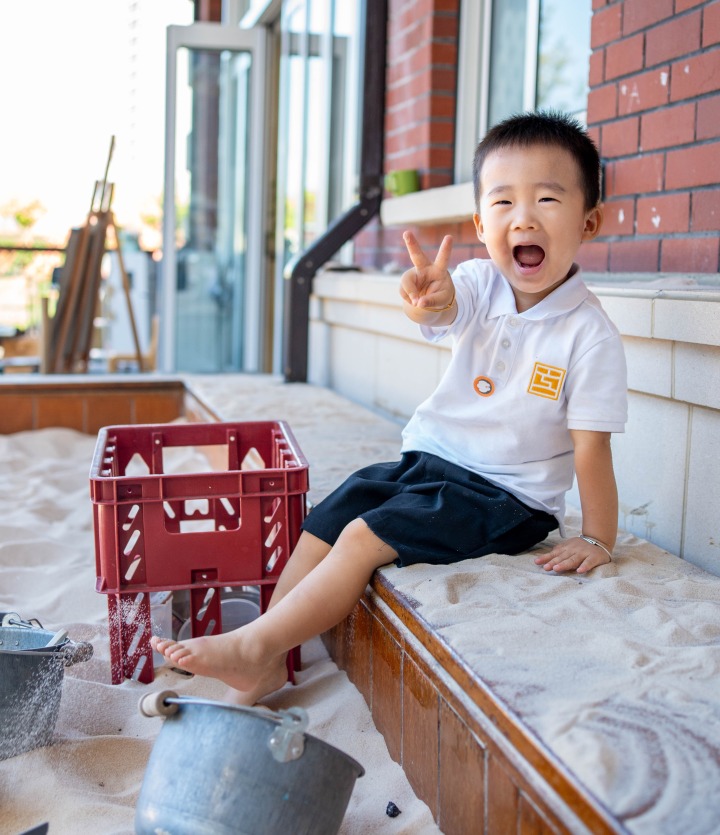
Learning is constantly developed through play-based activities. These are centred around a range of projects or themes whereby pupils are invited to share what they already know and, with the help of the adults around them, research the theme in greater depth.

The seven areas of learning and development are interrelated. Children's knowledge, understanding and confidence are therefore taught through this pedagogical approach.
By providing a curriculum designed to challenge, motivate and inspire curiosity, we allow them to delight and experience success. We can also offer support for gaps in learning, enabling children to progress with their personal and academic achievements.

Each area of learning and development has a set of desired and age-appropriate learning outcomes. We monitor these through observational assessment as the children engage in independent play.
We record individual assessments of each child. They include an individual record of their achievements throughout each year, documented in a 'learning story' or 'journey'. This is then shared with the pupil and parents.
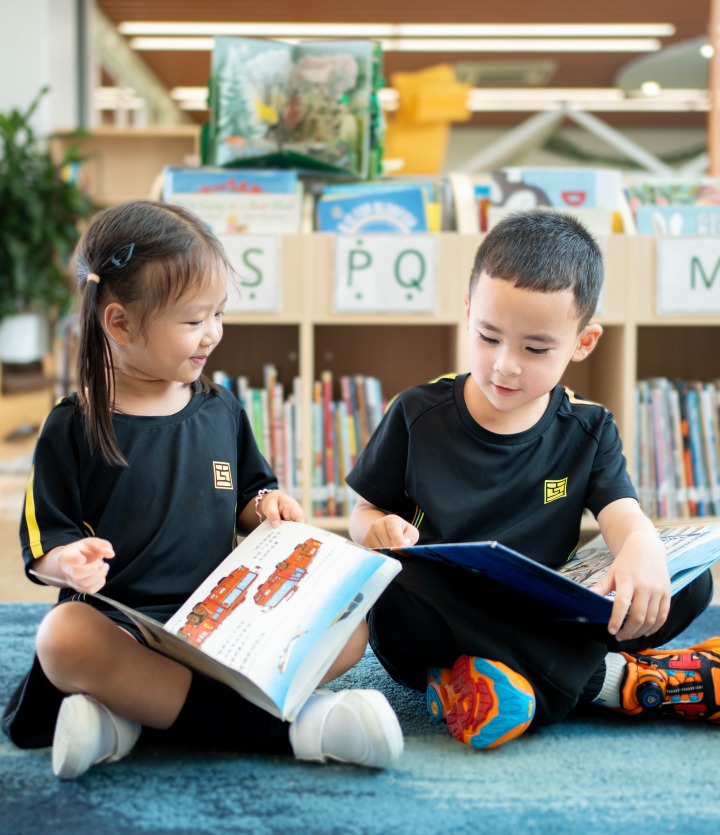
Setting the foundations for bilingualism in our young pupils is central to our entire early years approach, from the staffing of teams to the rhythm of the day and the environments in which they play. The stepping stones which enable the children to express themselves, understand others, think and be confidently literate in both Chinese and English are set from the beginning of their time in our bilingual nurseries.

Each Nursery class has a team of two partner teachers. Strengthened by a shared understanding of the bicultural Hiba ethos, teachers, teaching assistants, and Early Years assistants share responsibility for each child's learning and promote all the areas of learning and development in both languages.

For young children, strong attachments and positive relationships with their educators are key to developing language and communication skills. To support this in multiple languages, the interactions they share must be meaningful. and reflect what they already know about the world.

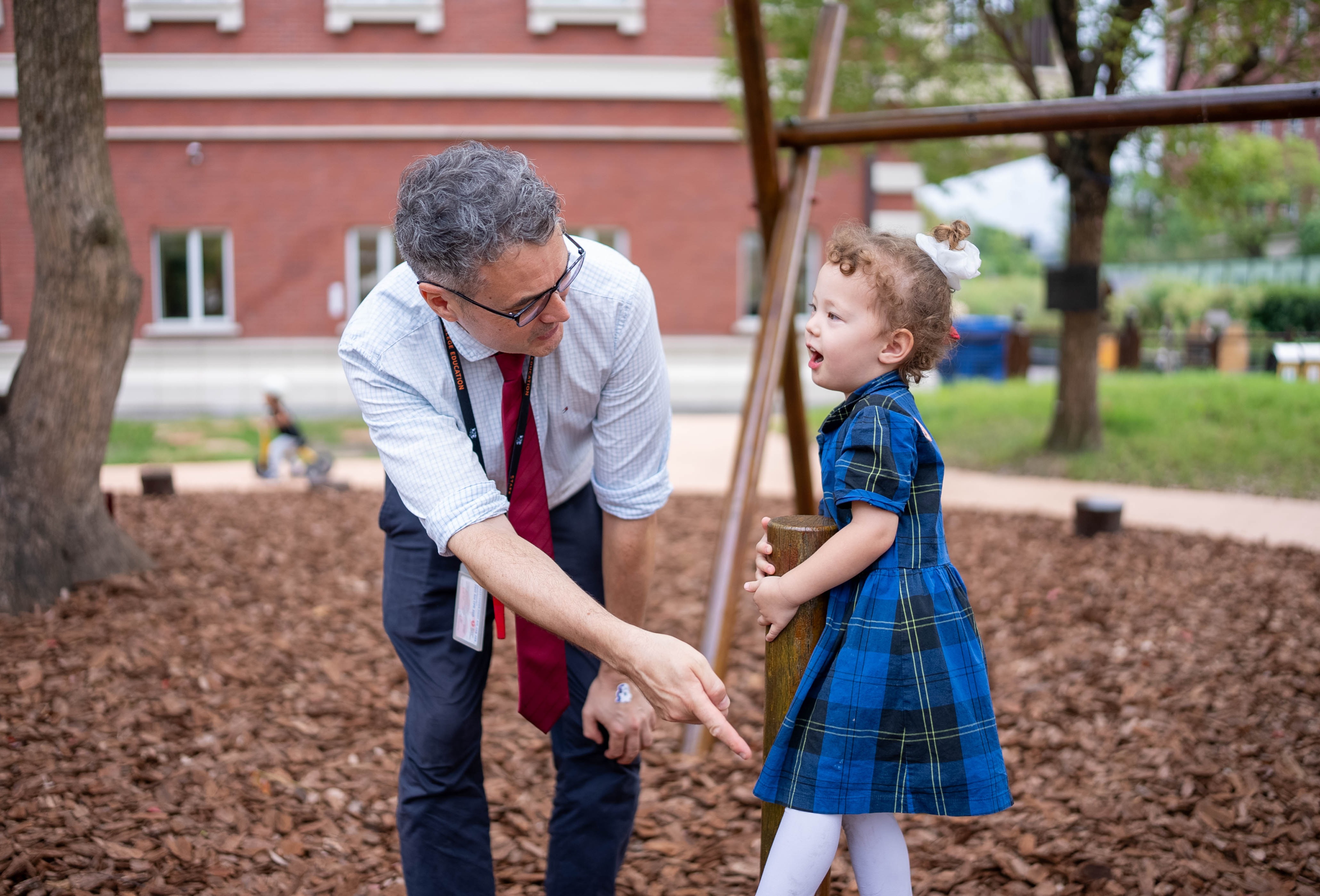
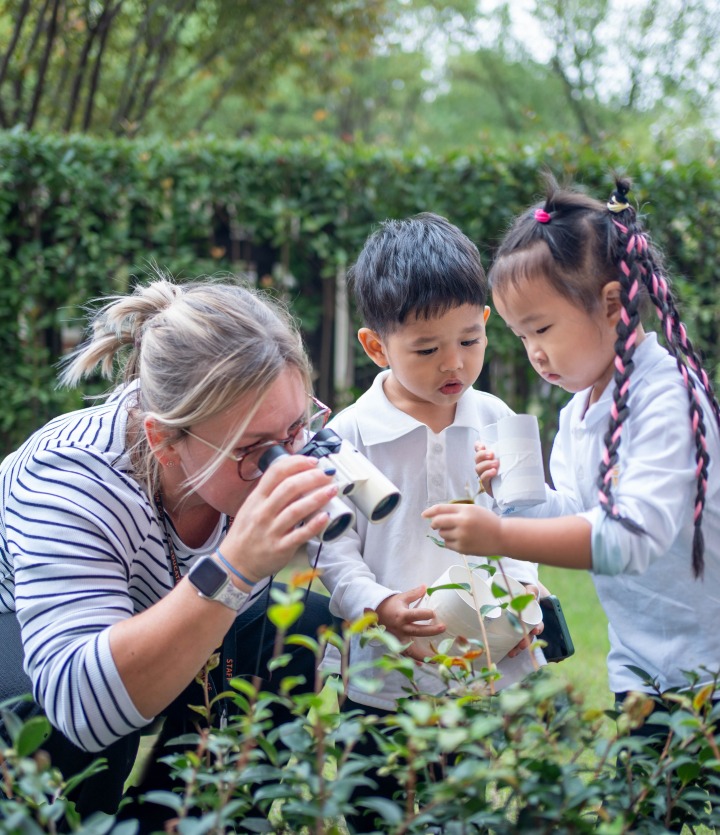
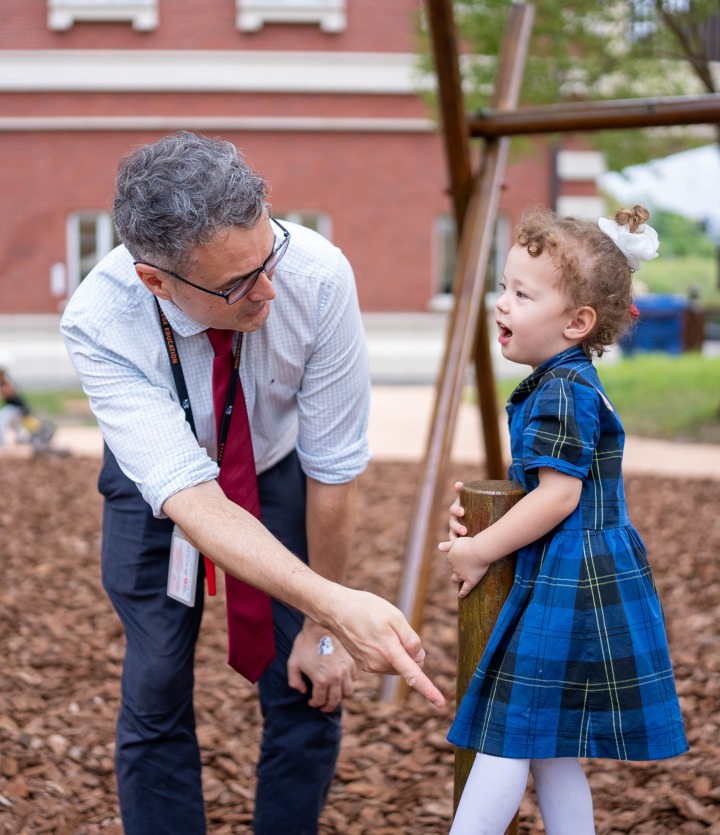
Our learning spaces are carefully crafted to inspire curiosity in our pupils. We encourage them to express their feelings and follow their own enquiries. Our international educators always look for ways to prompt the children to practise a new English word or phrase or use their Chinese to discuss concepts at a deeper level. By hearing and then applying new vocabulary in play-based situations, children acquire a second language quickly and with confidence and joy.
We aim to provide caring and inspiring learning spaces built on positive relationships and to develop the whole child emotionally, socially, physically and academically. As well as offering a wide range of learning opportunities, the continuous provision of resources available to pupils allows for independent accessibility and the teaching of new skills in culturally meaningful contexts.

Layouts are designed to encourage pupils to make connections in their learning, and a balance of quiet, reflective spaces as well as areas with open-ended materials reveals their existing knowledge, plus inspires them to think creatively and in collaboration with others.

For our learning spaces to foster life-long learners, we use a child-centred approach with a balance of adult-led and initiated activities with enhancements and provocations to extend thinking, communication and language and to practise and embed skills such as literacy, mathematics and scientific enquiry.

Invitations to play, which are in addition to the continuous provision in indoor and outdoor spaces, help provoke new learning and motivate children to think deeply and solve problems independently. These are chosen to either respond to children's interests and/or promote and introduce new vocabulary, concepts and specific skills.

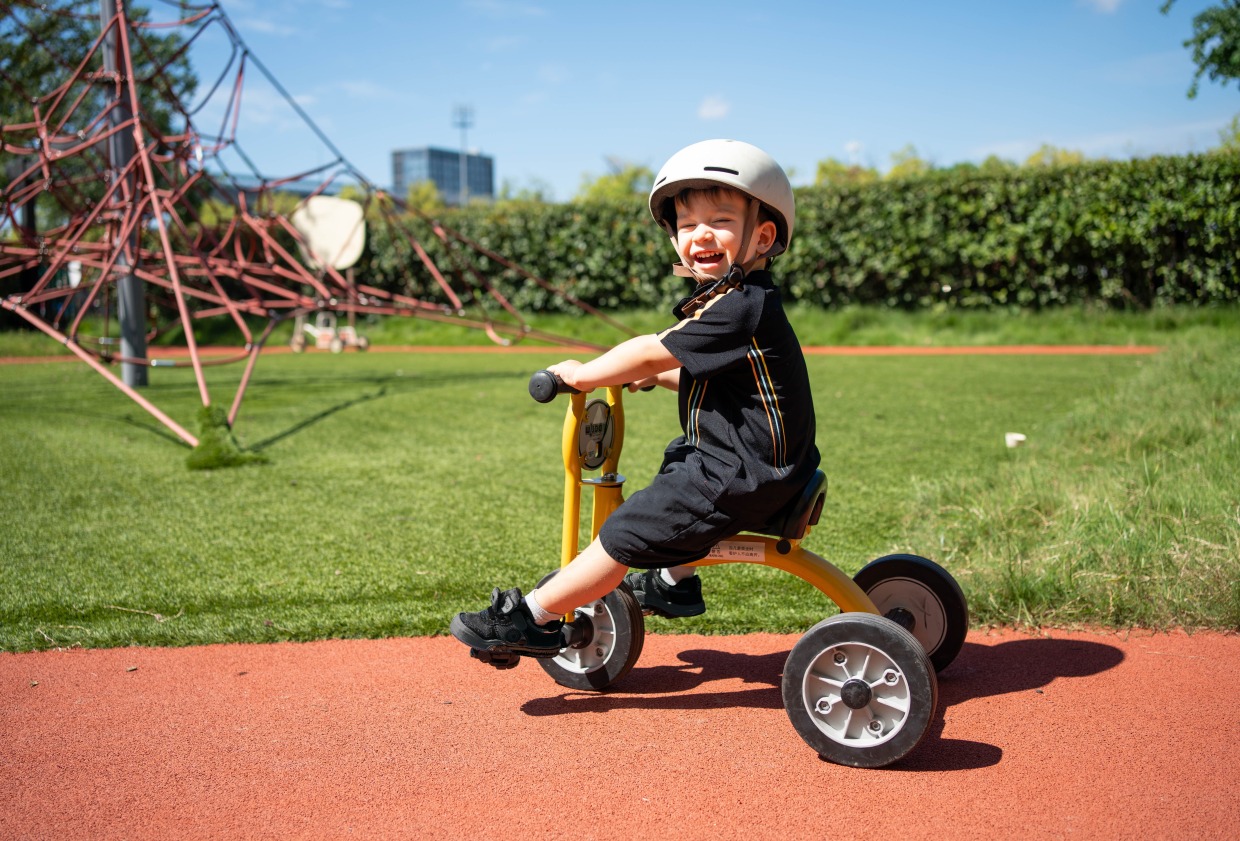
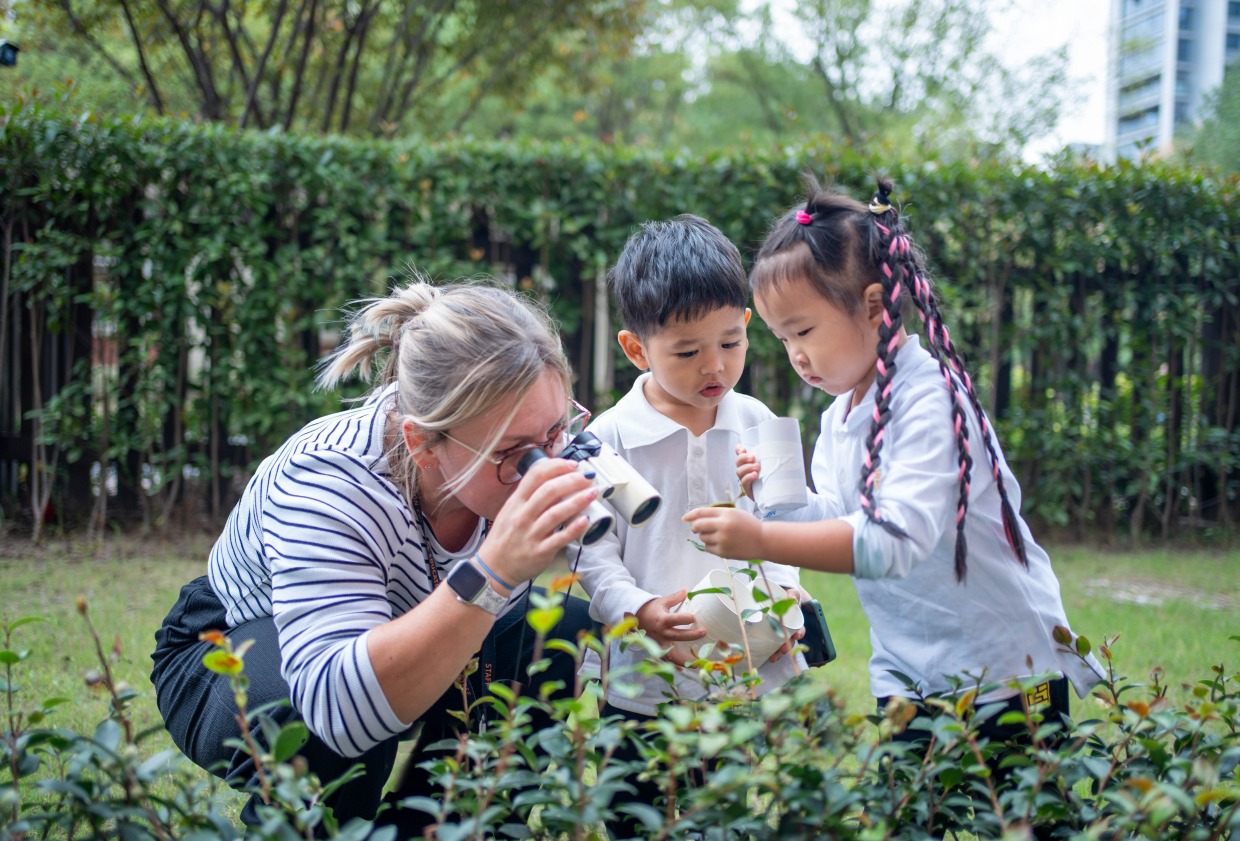
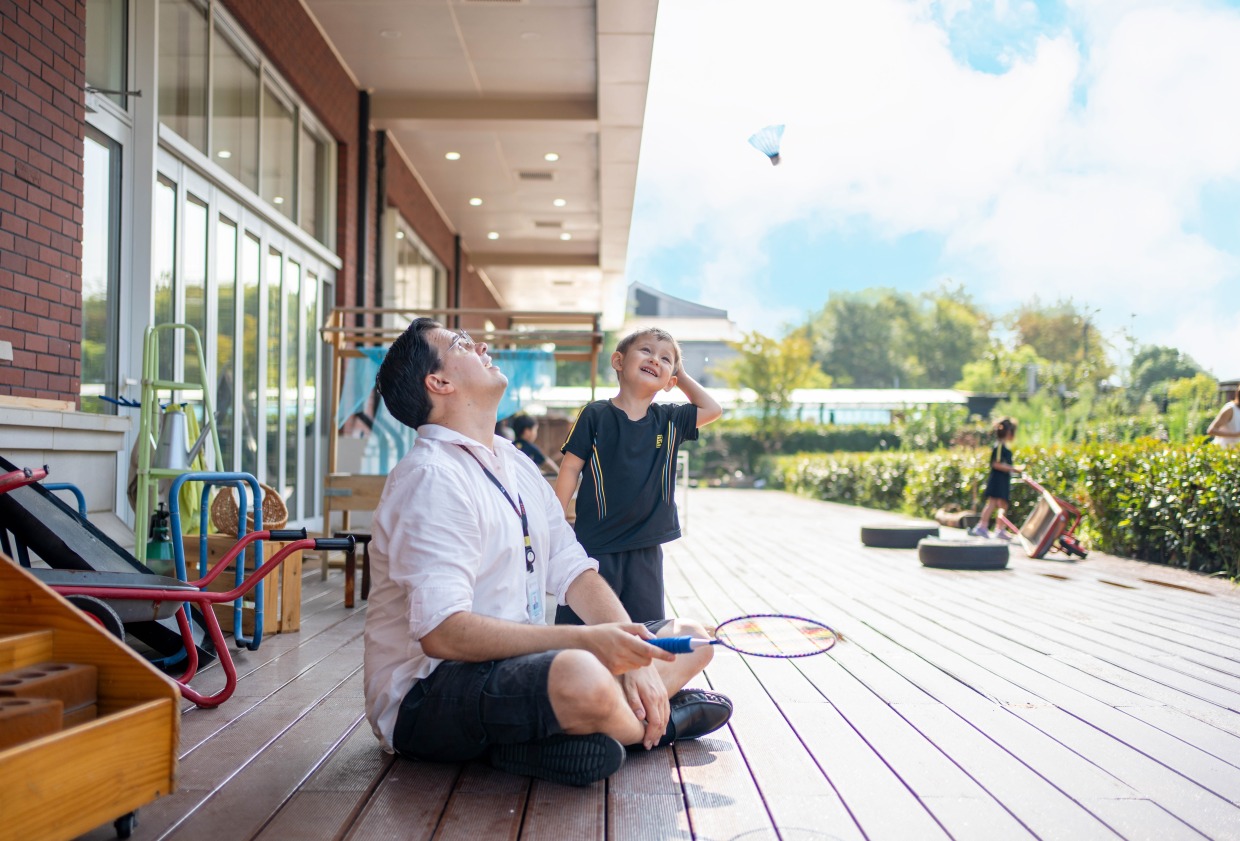
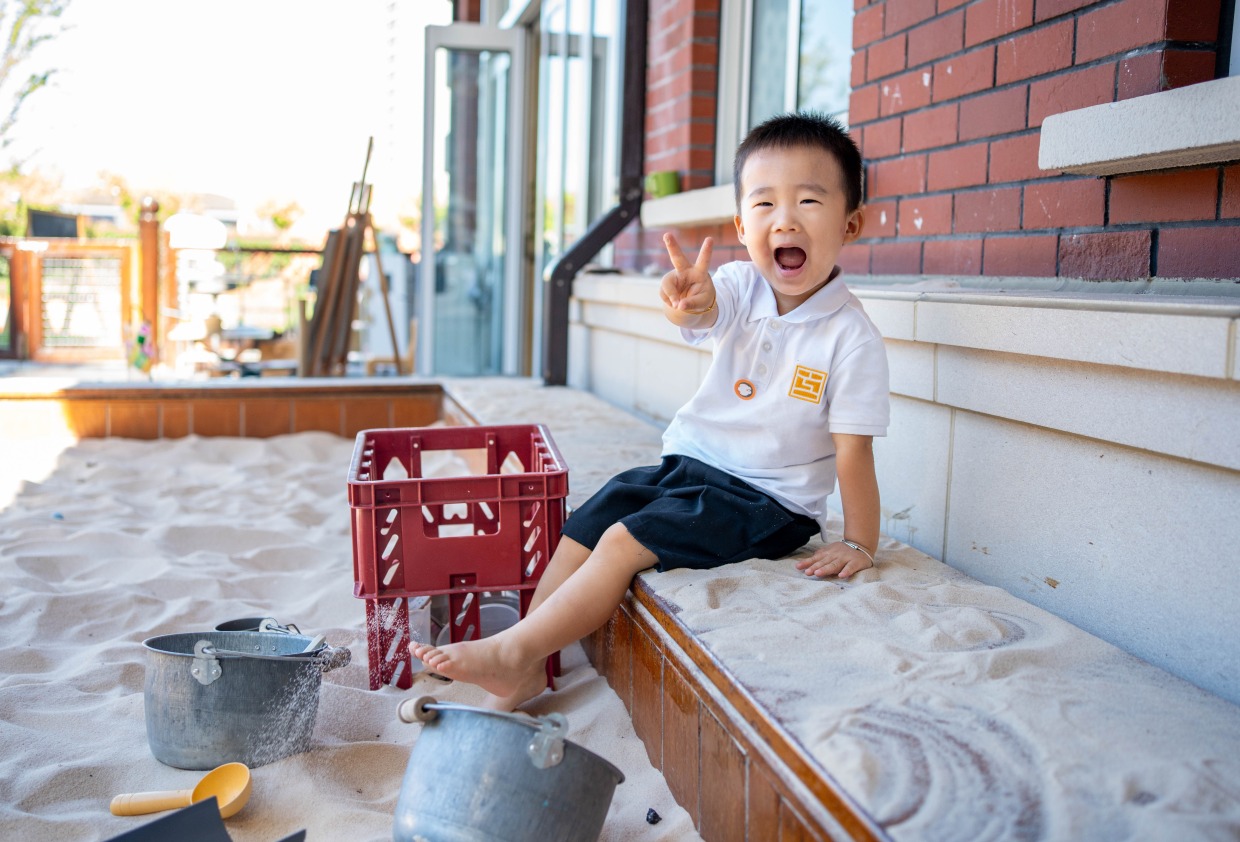
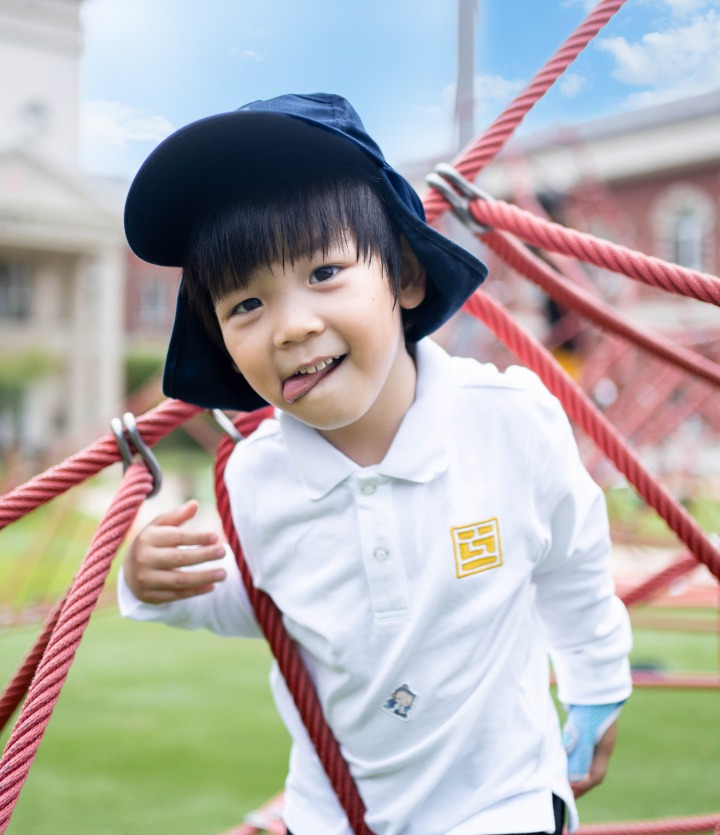
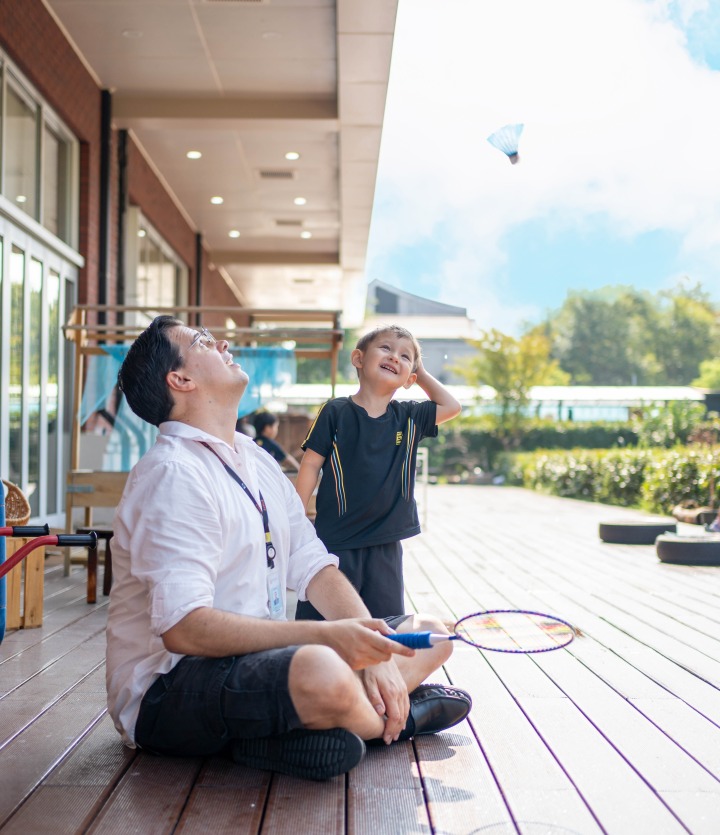
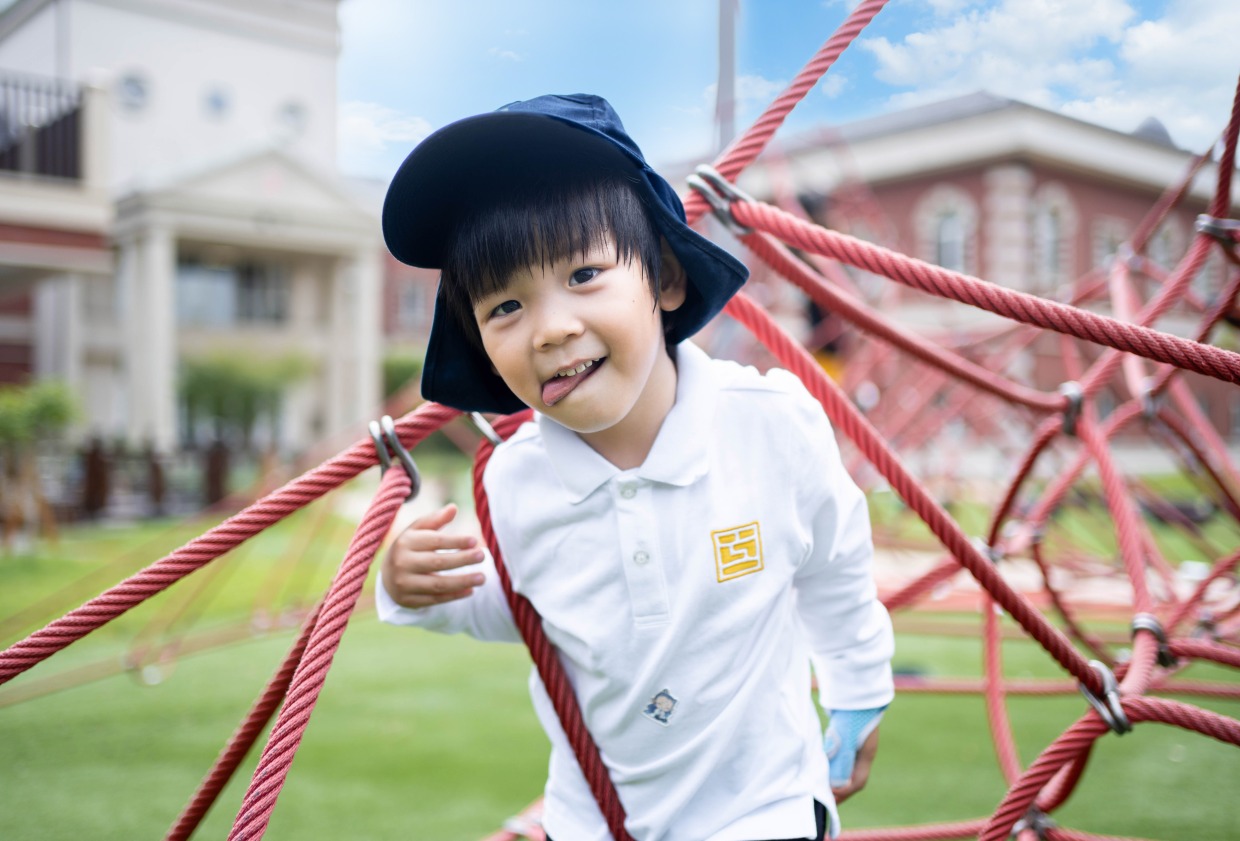
Our outdoor spaces are designed to offer huge potential to foster children's Characteristics of Effective Learning in natural surroundings. Outdoor learning lets pupils run, climb and explore in ways that are not always possible in their everyday lives.

Teaching and learning actively outdoors helps them to develop a strong sense of independence, physical strength and a sensitivity to their surroundings.
If you would like to attend an Open Day event, please click on the button:
Enquire Now
A Wellington College Education School
Contact Us
+ 86 571 8239 6388 Admissions
+ 86 571 8239 6300 Others
info.hangzhou@wellingtoncollege.cn
2399 Xue Zhi Road, Xiaoshan District, Hangzhou, 311231
Useful links
Contact Us
Privacy Agreement
Copyright 2026 Hiba Academy Hangzhou. All Rights Reserved. | 沪ICP备18020677号 沪公网安备31011502006872号
About Us
Our Campus
Our Story
Vision and Values
Governance
Our People
Careers
Academic
Nursery
Primary School
Senior School
Academic Achievements
Campus Life
Safeguarding
Pastoral
Boarding
Co-Curricular Activities
Our Services
DukeBox
School Calendar
Community
Our Pupils
Friends of Wellington
Our Alumni
Festival of Education
News and Media
Latest News
Photo Gallery
Video Gallery
Admissions
Application Process
Scholarship
FAQs
Contact Us
Take a Virtual Tour
Contact Us
Contact UsPrivacy AgreementApplication
中
幼儿园
Nursery
Home
/Academic
/Nursery
 
To ensure the most effective Early Years approach for our pupils, we have merged the English Early Years Foundation Stage and the Chinese Curriculum (from three to six years) guidelines. The result is an encompassing curriculum and Hiba framework for teaching and learning. 
 
Hiba's four guiding principles:
• Every child is unique. They are constantly learning and can be resilient, capable, confident and self-assured 
• Children learn to be strong and independent through positive relationships 
• Children learn and develop in enabling environments, in which their experiences respond to their individual needs, and there is a strong partnership between practitioners and parents  
• Children develop and learn in different ways and at different rates   
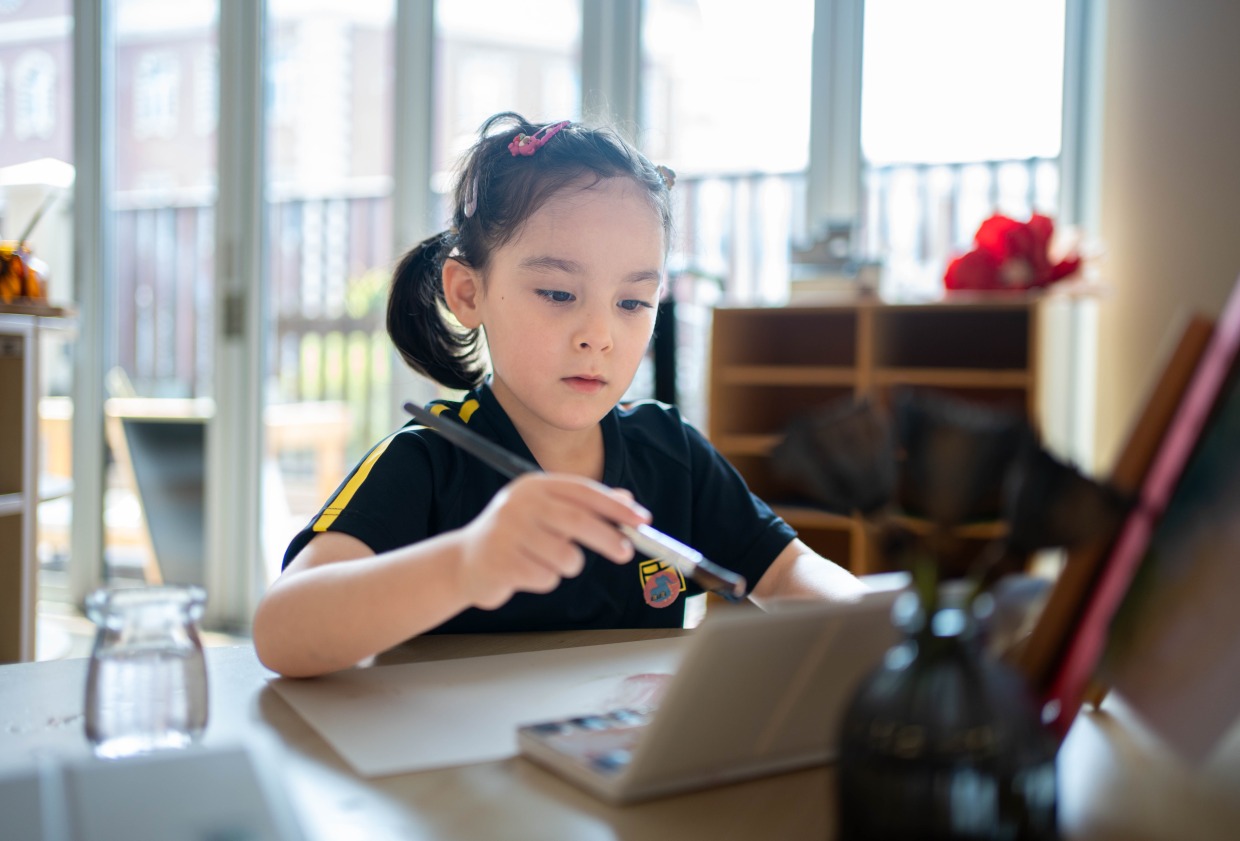
 
These are comprised of three prime areas and four specific areas. Moreover, as a bilingual nursery, we work towards learning outcomes in communication, language and literacy in both English and Chinese.
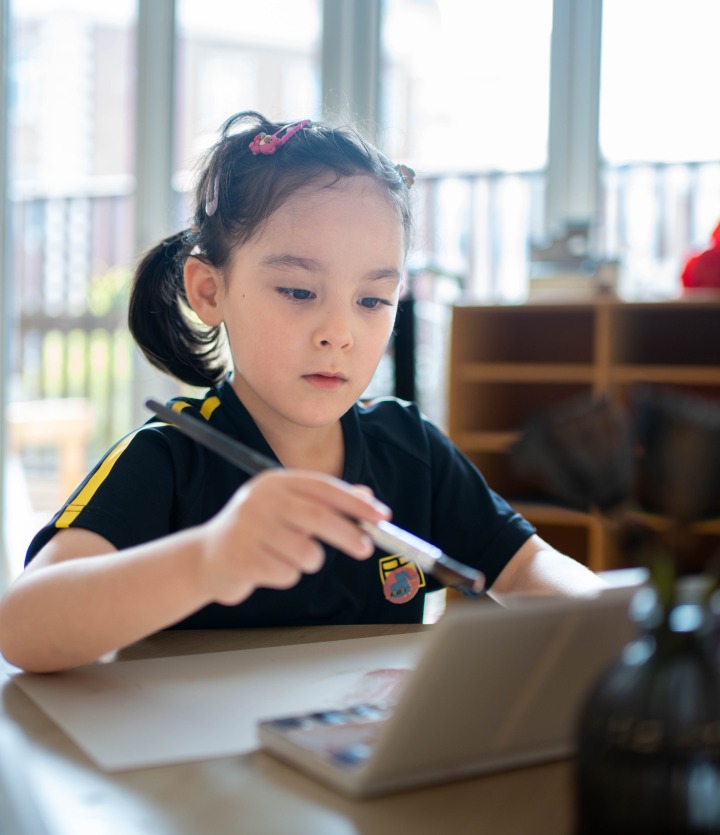
The three prime areas are crucial for igniting children's curiosity and enthusiasm for learning and for building their capacity to learn, form relationships and thrive.
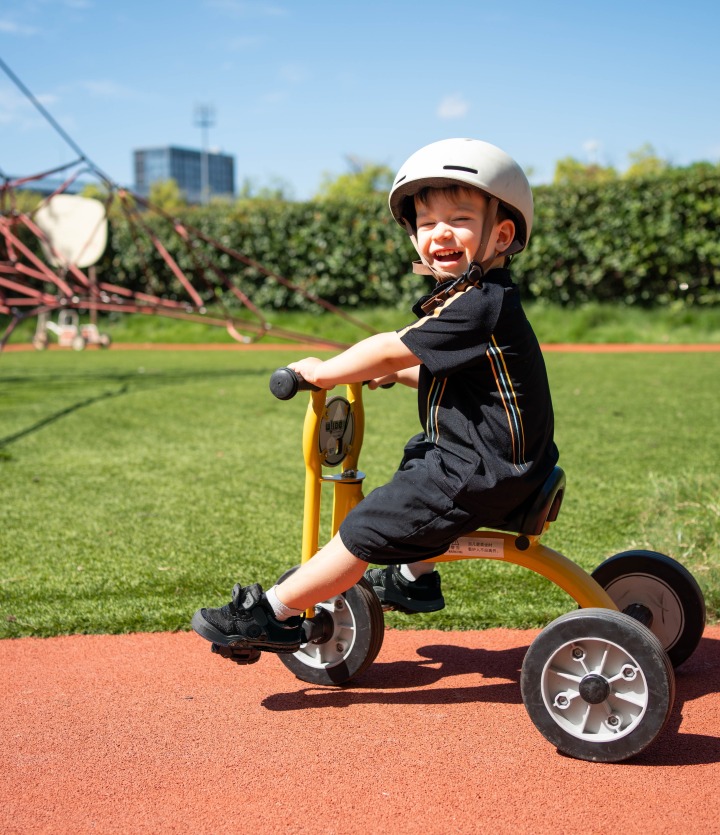
There are seven areas of learning and development that shape our educational programmes.

These are comprised of three prime areas and four specific areas. Moreover, as a bilingual nursery, we work towards learning outcomes in communication, language and literacy in both English and Chinese.

The three prime areas are crucial for igniting children's curiosity and enthusiasm for learning and for building their capacity to learn, form relationships and thrive.

Three prime areas:
• Personal, social and emotional development
• Communication and language
• Physical development

Four specific areas:
• Literacy
• Mathematics
• Understanding of the World
• Expressive arts and design
Underpinning all areas of learning and development are the Characteristics of Effective Learning. These are a set of skills divided into three main areas that focus on how children learn.

• Playing and exploring

• Active learning

• Creating and thinking critically
Many of these skills relate to children's ability to reflect, help themselves, be self-motivated and adopt a 'can-do' approach to learning and new challenges.

Learning is constantly developed through play-based activities. These are centred around a range of projects or themes whereby pupils are invited to share what they already know and, with the help of the adults around them, research the theme in greater depth.

The seven areas of learning and development are interrelated. Children's knowledge, understanding and confidence are therefore taught through this pedagogical approach.
By providing a curriculum designed to challenge, motivate and inspire curiosity, we allow them to delight and experience success. We can also offer support for gaps in learning, enabling children to progress with their personal and academic achievements.

Each area of learning and development has a set of desired and age-appropriate learning outcomes. We monitor these through observational assessment as the children engage in independent play.
We record individual assessments of each child. They include an individual record of their achievements throughout each year, documented in a 'learning story' or 'journey'. This is then shared with the pupil and parents.
Setting the foundations for bilingualism in our young pupils is central to our entire early years approach, from the staffing of teams to the rhythm of the day and the environments in which they play. The stepping stones which enable the children to express themselves, understand others, think and be confidently literate in both Chinese and English are set from the beginning of their time in our bilingual nurseries.

Each Nursery class has a team of two partner teachers. Strengthened by a shared understanding of the bicultural Hiba ethos, teachers, teaching assistants, and Early Years assistants share responsibility for each child's learning and promote all the areas of learning and development in both languages.

For young children, strong attachments and positive relationships with their educators are key to developing language and communication skills. To support this in multiple languages, the interactions they share must be meaningful. and reflect what they already know about the world.

Our learning spaces are carefully crafted to inspire curiosity in our pupils. We encourage them to express their feelings and follow their own enquiries. Our international educators always look for ways to prompt the children to practise a new English word or phrase or use their Chinese to discuss concepts at a deeper level. By hearing and then applying new vocabulary in play-based situations, children acquire a second language quickly and with confidence and joy.
We aim to provide caring and inspiring learning spaces built on positive relationships and to develop the whole child emotionally, socially, physically and academically. As well as offering a wide range of learning opportunities, the continuous provision of resources available to pupils allows for independent accessibility and the teaching of new skills in culturally meaningful contexts.

Layouts are designed to encourage pupils to make connections in their learning, and a balance of quiet, reflective spaces as well as areas with open-ended materials reveals their existing knowledge, plus inspires them to think creatively and in collaboration with others.

For our learning spaces to foster life-long learners, we use a child-centred approach with a balance of adult-led and initiated activities with enhancements and provocations to extend thinking, communication and language and to practise and embed skills such as literacy, mathematics and scientific enquiry.

Invitations to play, which are in addition to the continuous provision in indoor and outdoor spaces, help provoke new learning and motivate children to think deeply and solve problems independently. These are chosen to either respond to children's interests and/or promote and introduce new vocabulary, concepts and specific skills.

Our outdoor spaces are designed to offer huge potential to foster children's Characteristics of Effective Learning in natural surroundings. Outdoor learning lets pupils run, climb and explore in ways that are not always possible in their everyday lives.

Teaching and learning actively outdoors helps them to develop a strong sense of independence, physical strength and a sensitivity to their surroundings.
If you would like to attend an Open Day event, please click on the button:
Enquire Now
NEXT
A Wellington College Education School
+ 86 571 8239 6388 Admissions
+ 86 571 8239 6300 Others
info.hangzhou@wellingtoncollege.cn
2399 Xue Zhi Road, Xiaoshan District, Hangzhou, 311231
Contact UsPrivacy Agreement
Copyright 2026 Hiba Academy Hangzhou. All Rights Reserved.
沪ICP备18020677号 沪公网安备31011502006872号
About Us
Our Campus
Our Story
Vision and Values
Governance
Our People
Careers
Academic
Nursery
Primary School
Senior School
Academic Achievements
Campus Life
Safeguarding
Pastoral
Boarding
Co-Curricular Activities
Our Services
DukeBox
School Calendar
Community
Our Pupils
Friends of Wellington
Our Alumni
Festival of Education
News and Media
Latest News
Photo Gallery
Video Gallery
Admissions
Application Process
Scholarship
FAQs
Contact Us
Take a Virtual Tour
Contact Us
Contact UsPrivacy AgreementApplication