最新资讯
Latest News

Tracy Li
Early Years Class Teacher/Mathematics Lead
HAHN
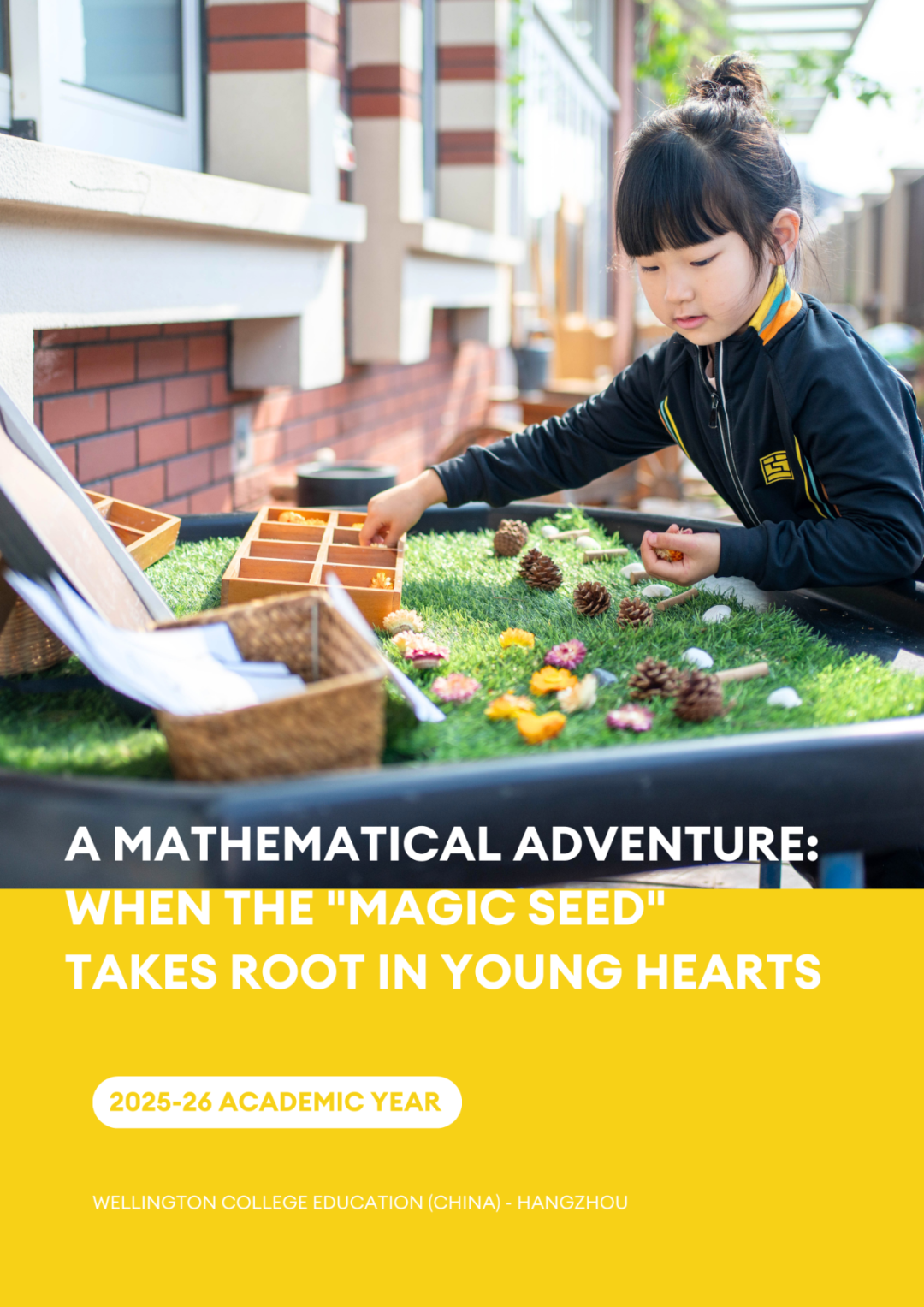
In a faraway mathematical kingdom, a "magic seed" capable of illuminating wisdom was carefully guarded by the Mathematics Princess. Unexpectedly, a Number Dragon suddenly launched an attack, abducting the princess and attempting to seize the seed. At this critical moment, the children from Huili Nursery transformed into brave little explorers, embarking upon a marvellous journey to rescue the princess. This imaginative adventure represents our week-long immersive mathematical themed activity.
This mathematics week utilised a story as its narrative thread, tailored to the cognitive characteristics of children across EY1-EY4 age groups. The teaching team meticulously designed five tiered challenges covering numbers, shapes, patterns, measurement, and everyday mathematics, enabling each child to unlock mathematical skills through appropriately challenging exploration.
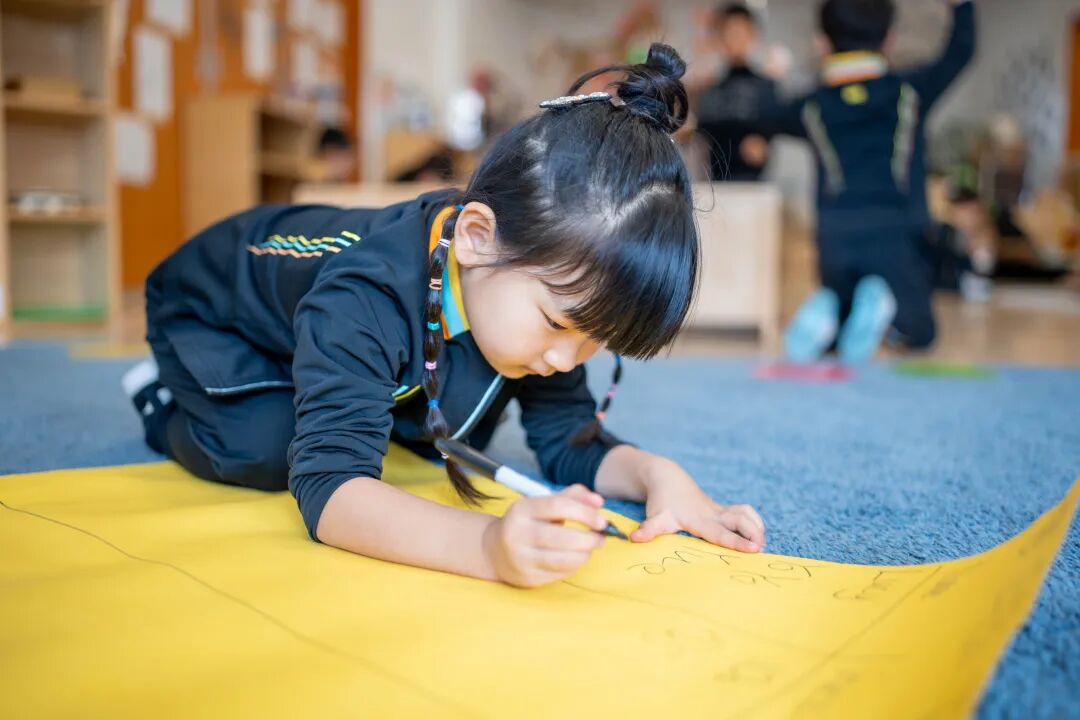
Monday's number challenge proved a vibrant outdoor exploration. Combining numbers with physical education creativity, children threw giant dice and constructed models corresponding to the numbers rolled. From counting cognition to quantity matching, from individual operation to group collaboration, children comprehended the relationship between numbers and quantities through running, jumping, and building, allowing number sense to develop naturally through hands-on practice.
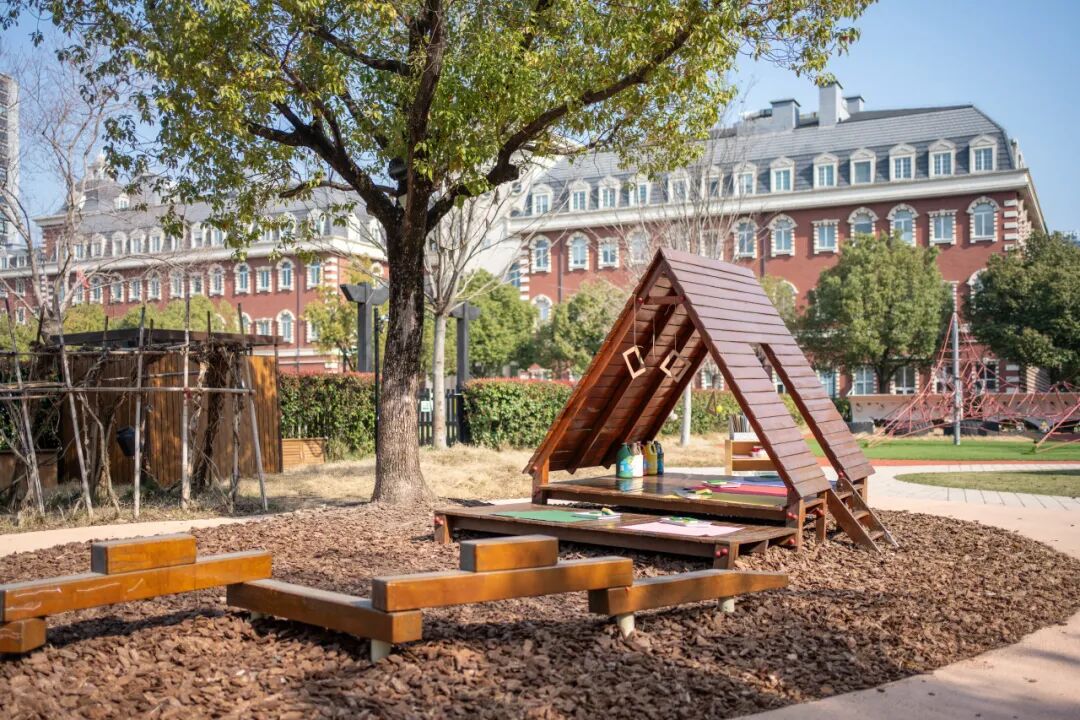
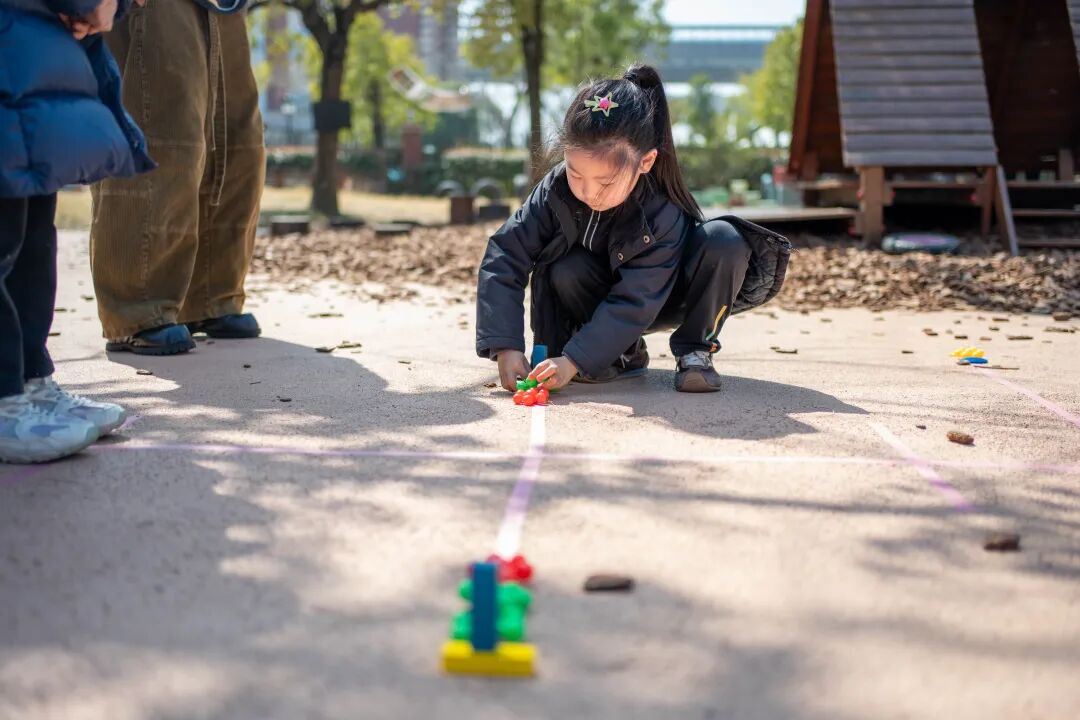
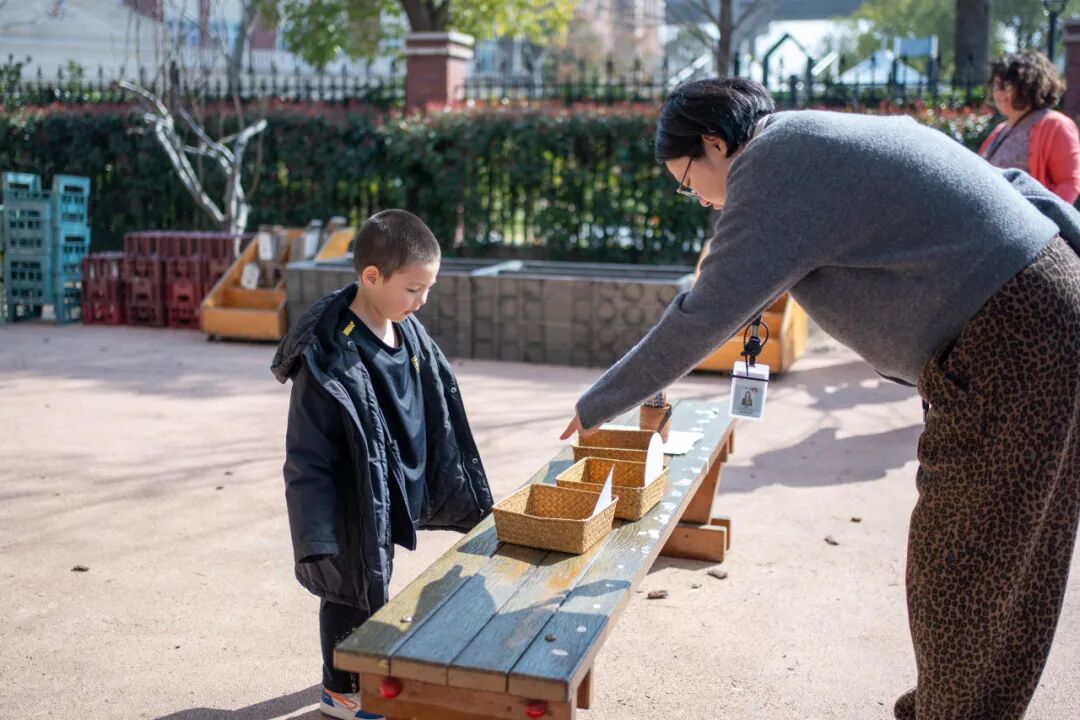
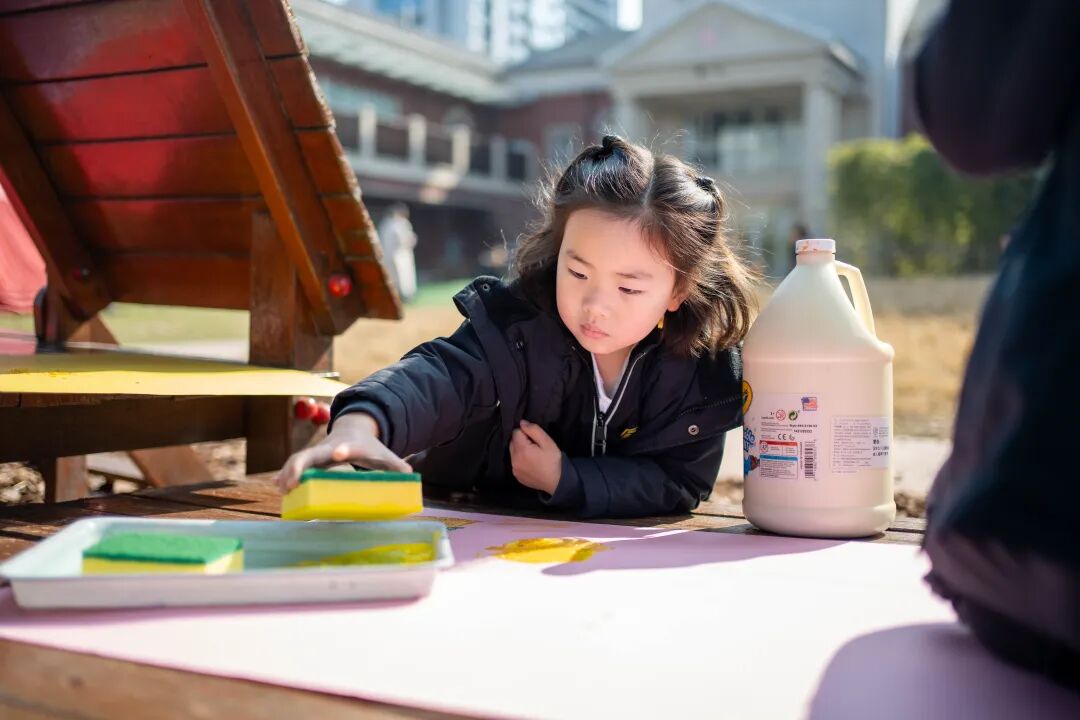
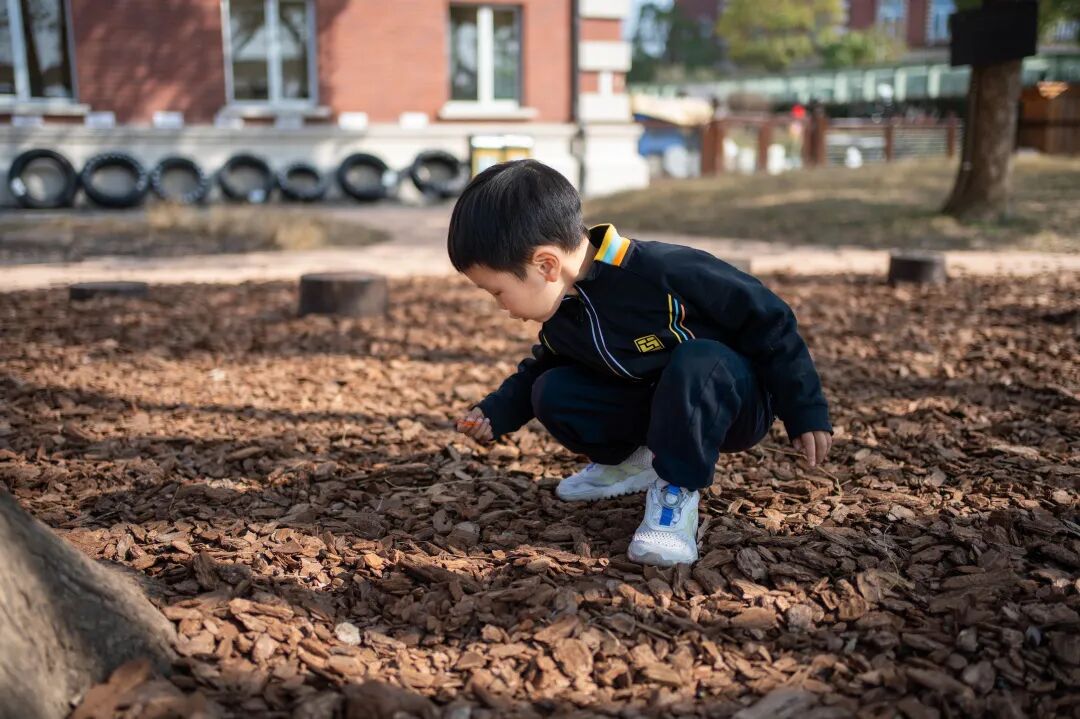
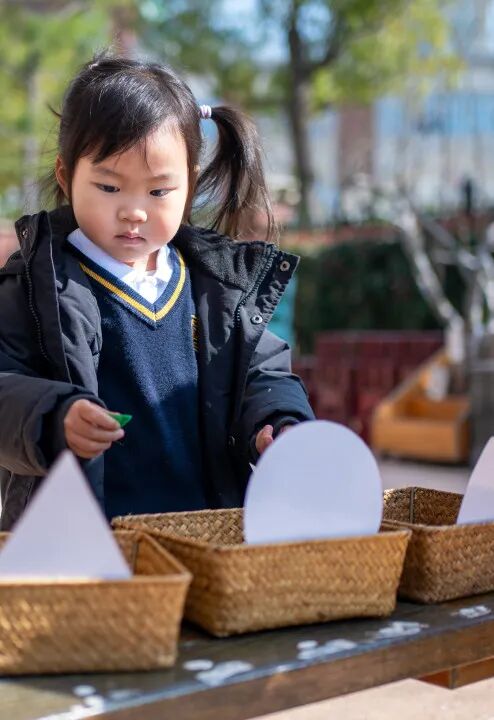
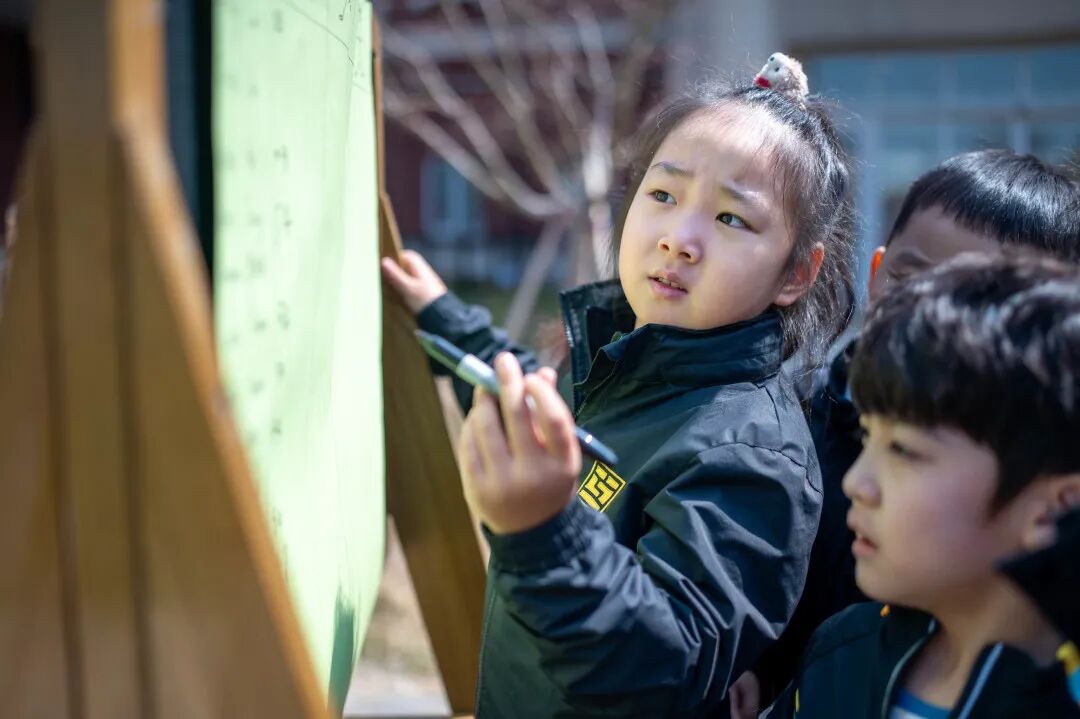
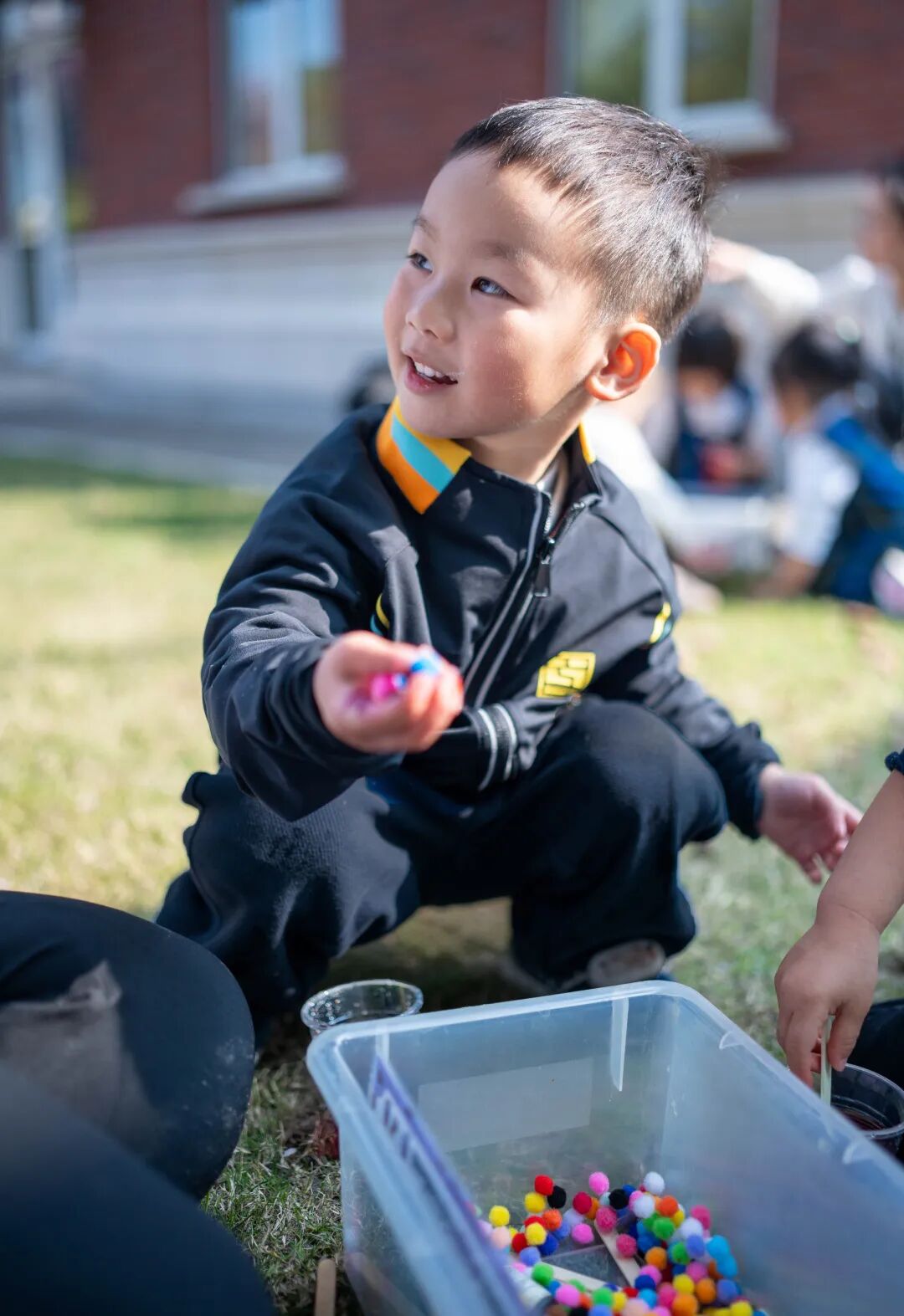
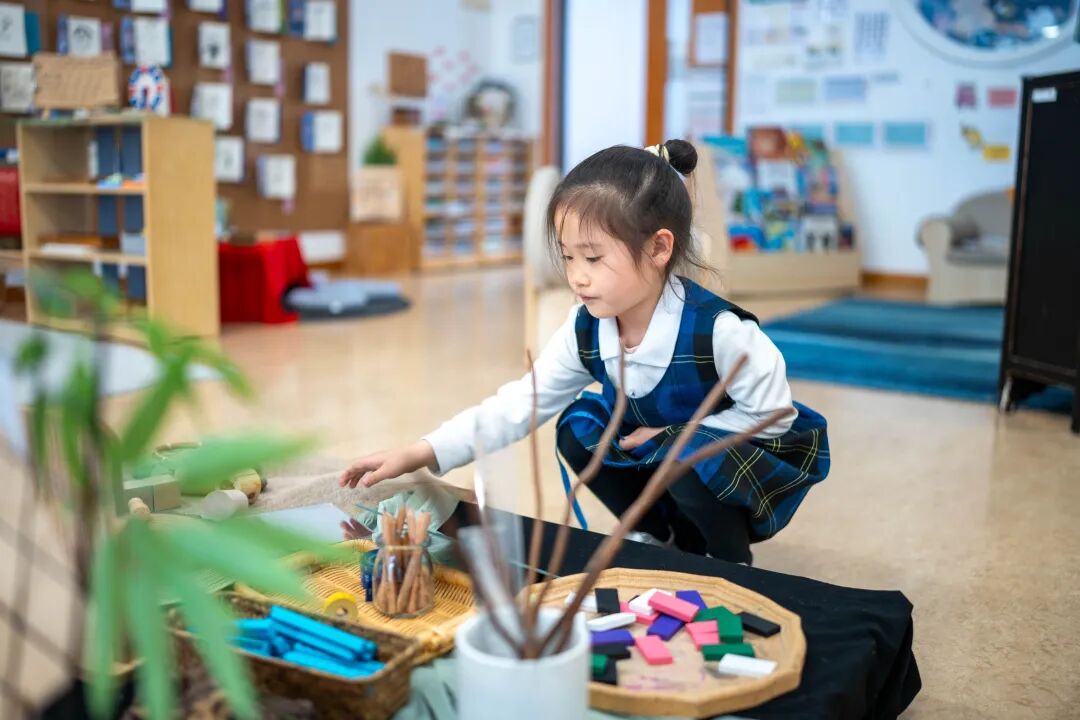
Tuesday's shape journey transformed children into "shape detectives". Merging shapes with art, children ventured beyond the classroom, seeking 2D and 3D shapes hidden in nature's corners: circular fallen leaves, square paving tiles, triangular building blocks. Carrying their discovered inspiration, they freely combined shape cards to create pictures, enhancing shape recognition and spatial composition abilities through observation and creation.
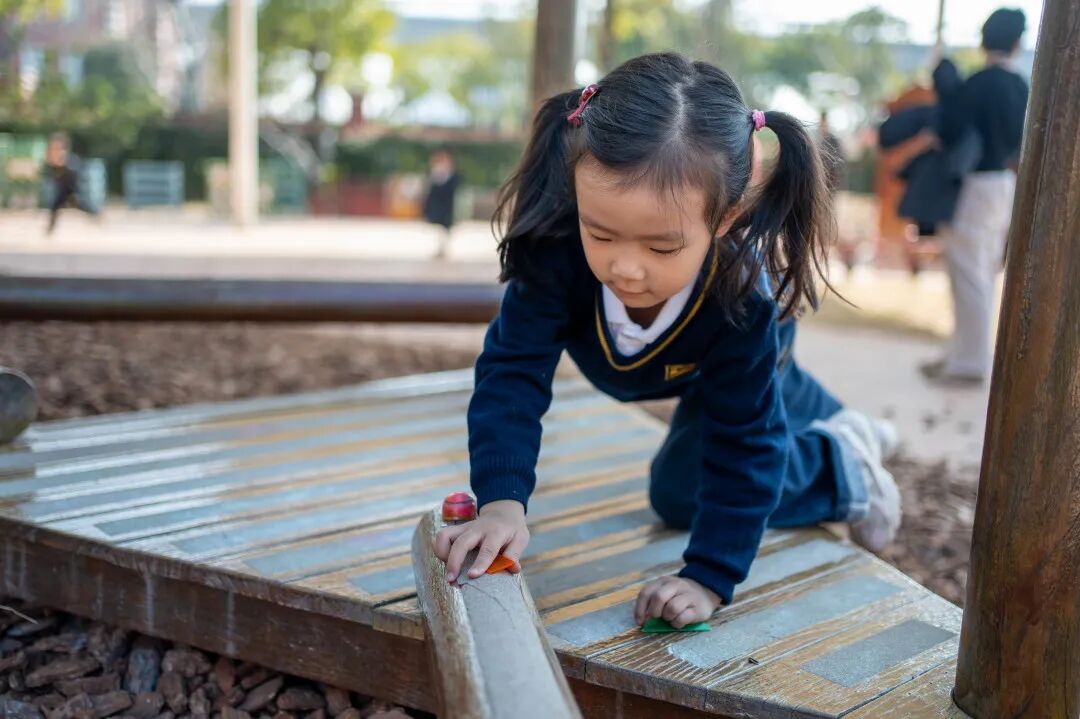
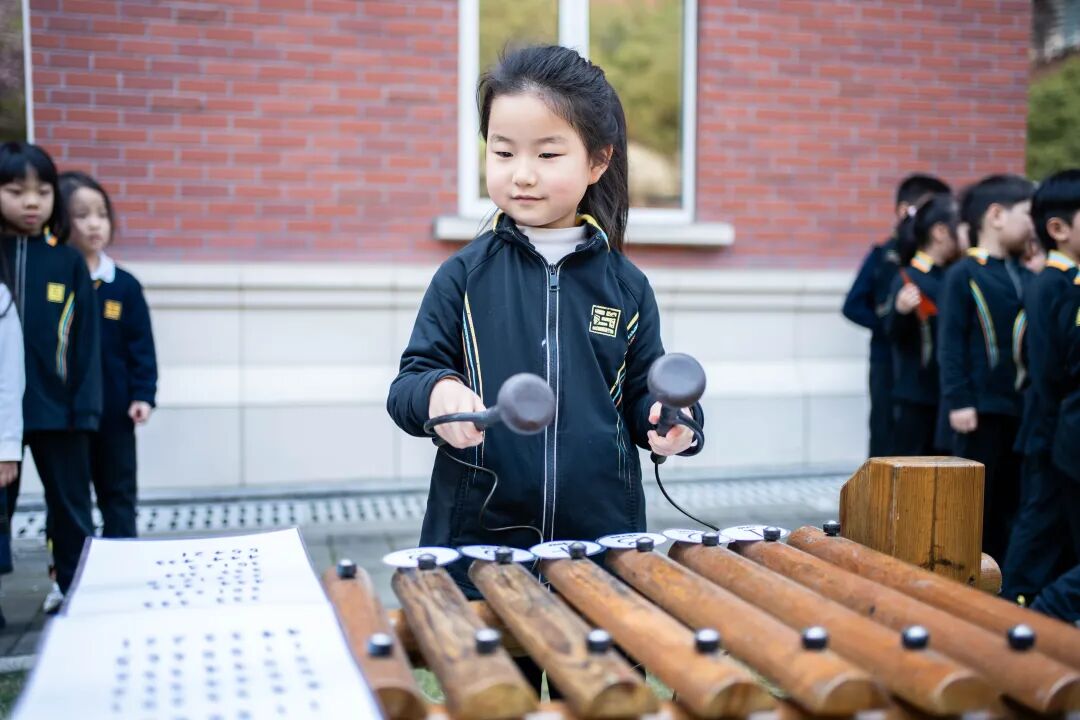
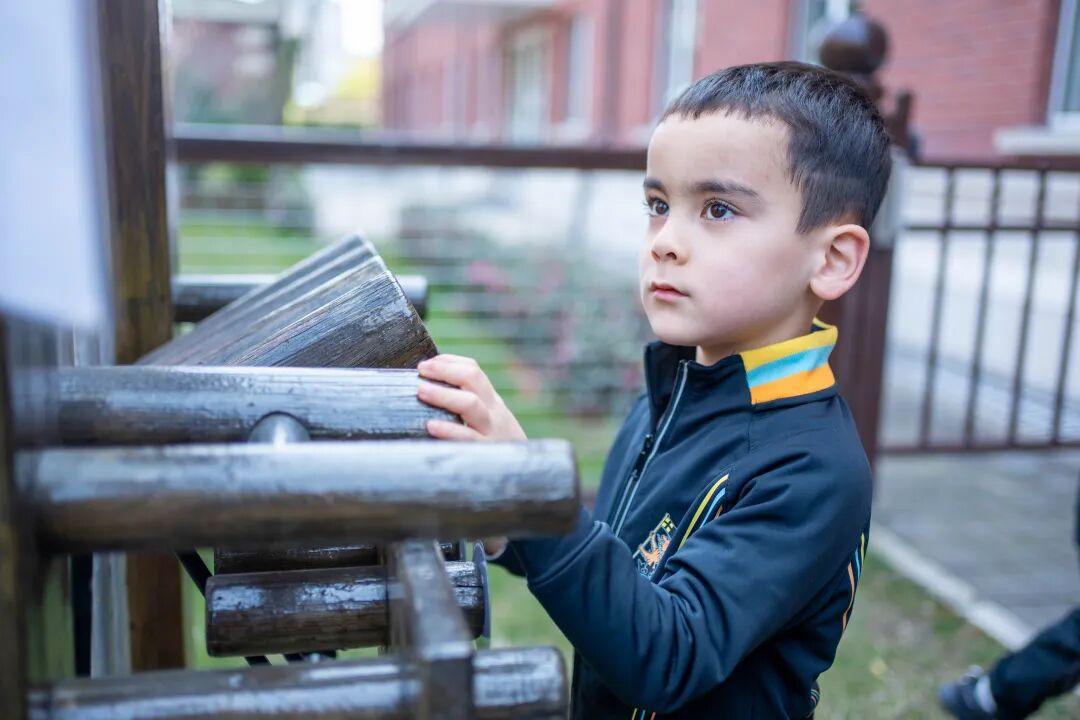
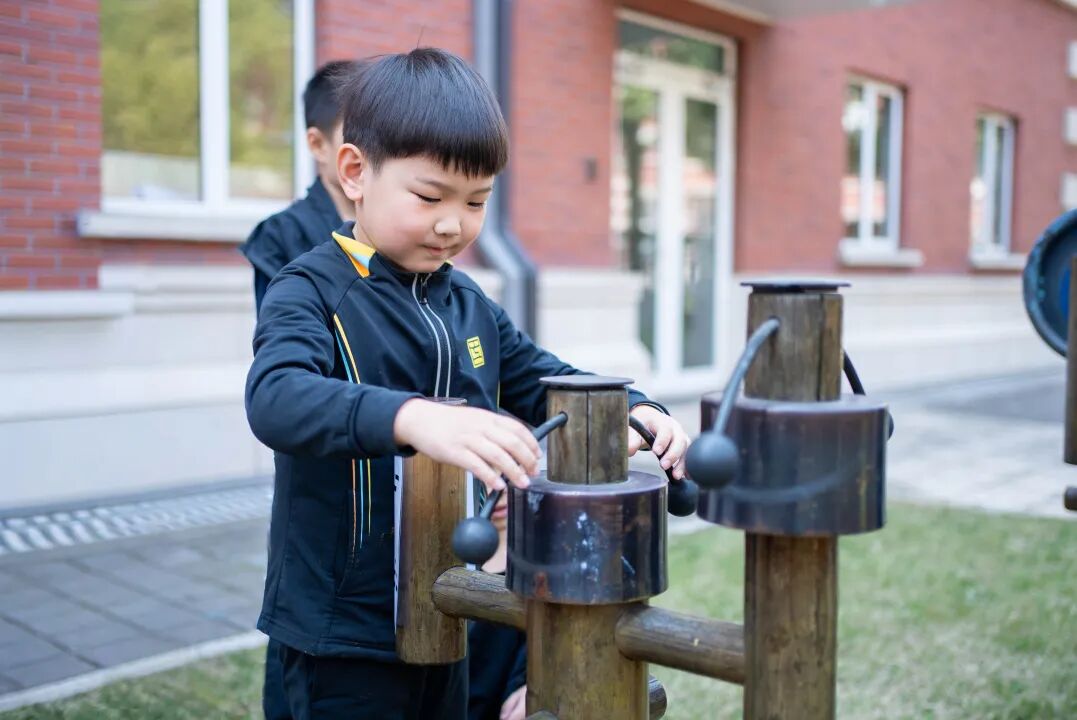
Wednesday's pattern challenge concealed mathematics within rhythm and melody. Teachers designed engaging rhythm charts, and children followed nursery rhyme melodies, playing instruments according to chart patterns. When the "AAB" rhythm sounded, children not only experienced musical joy but also subconsciously established preliminary algebraic thinking, learning to discover and apply patterns.
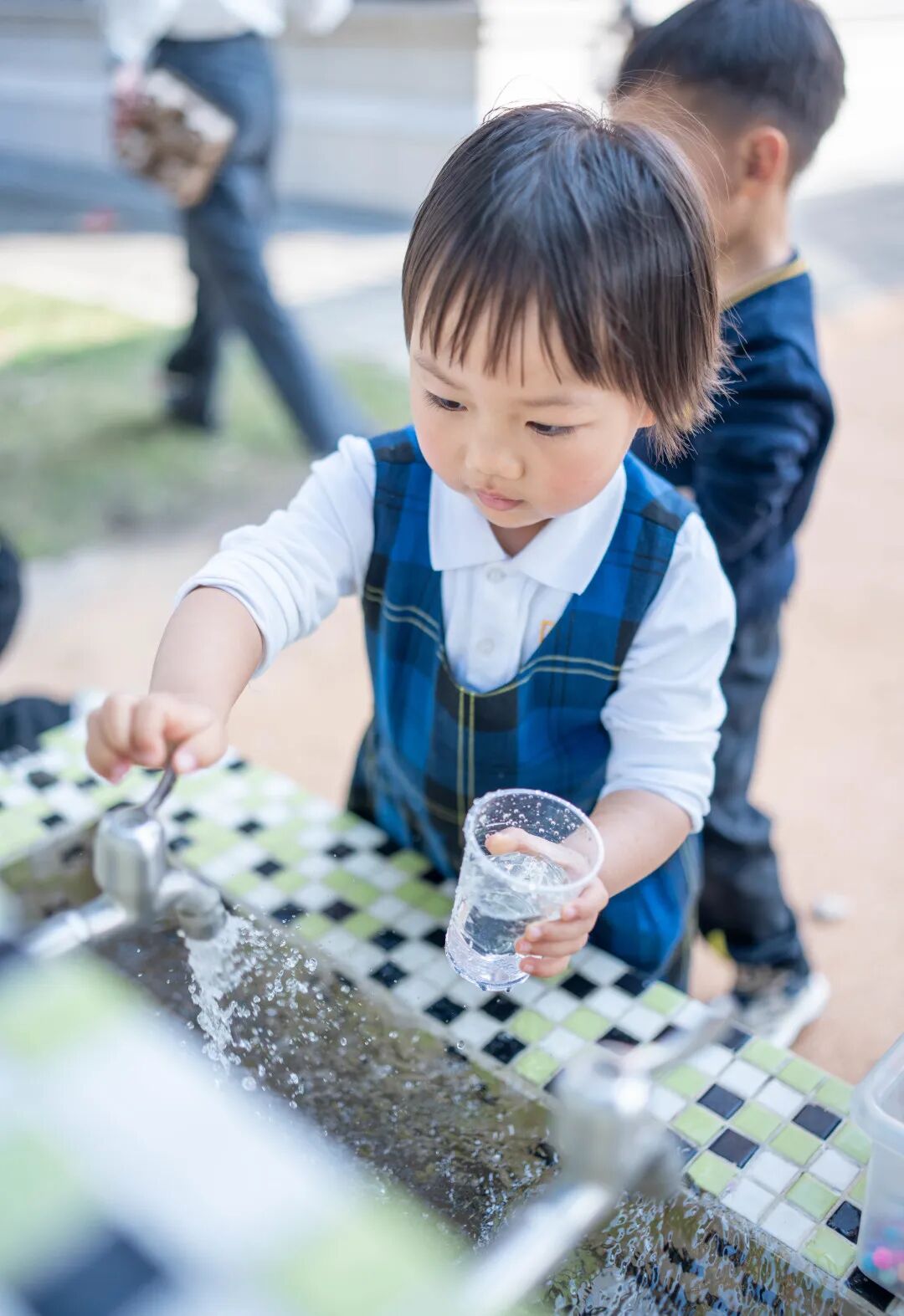
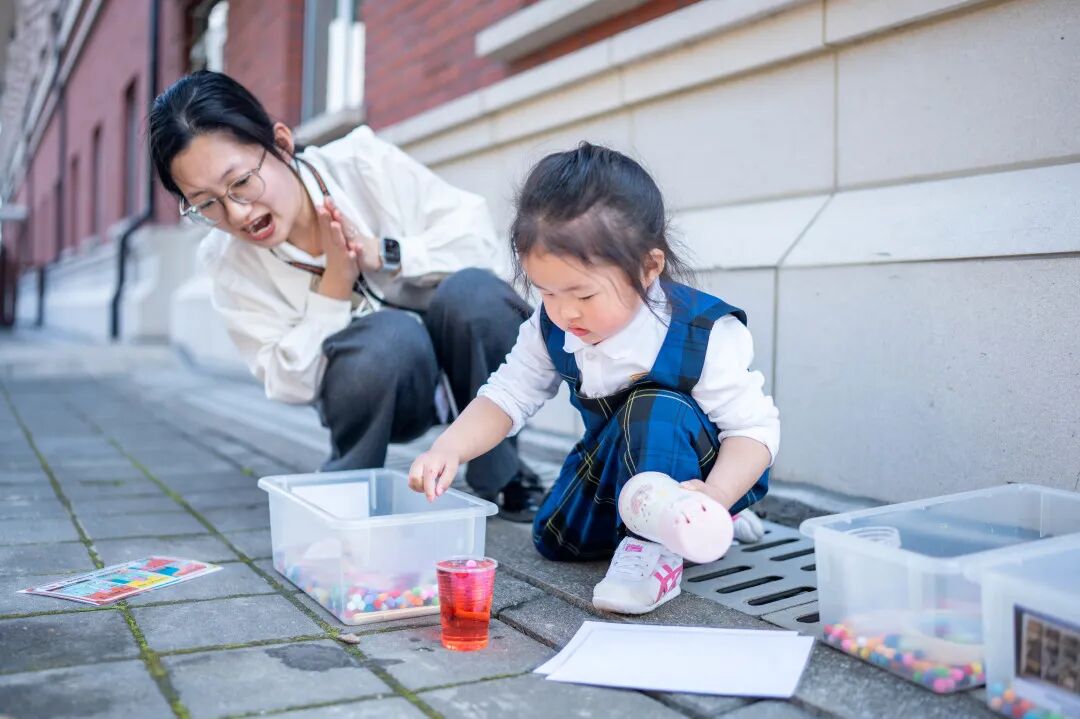
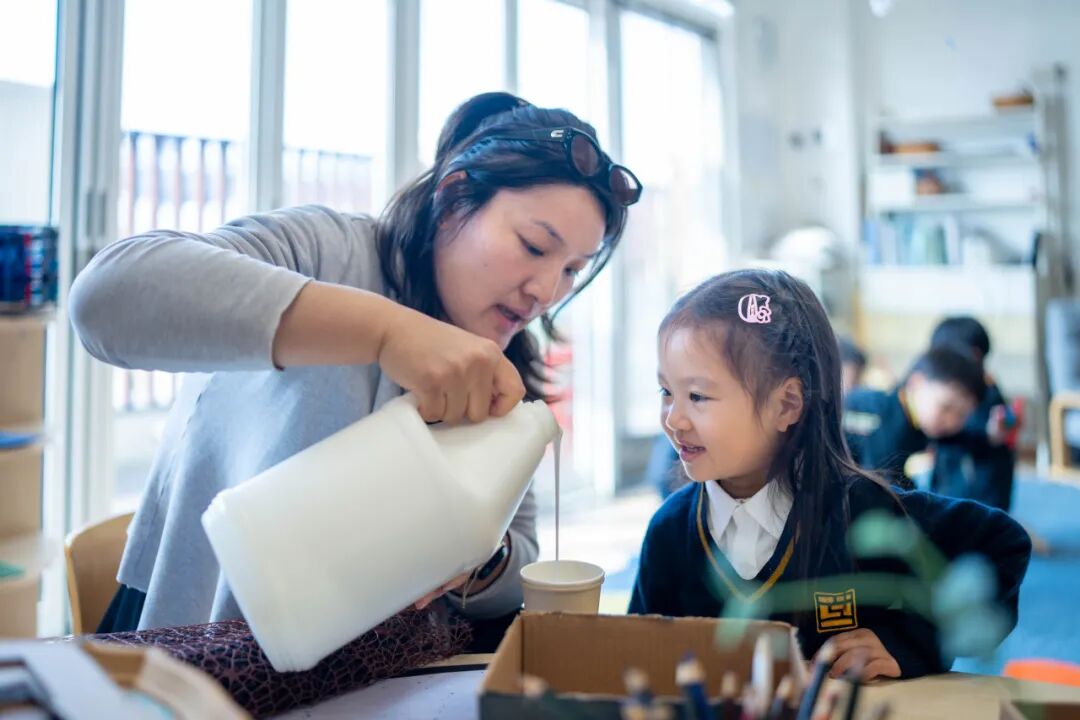
Thursday's measurement exploration presented a "milk tea workshop" practice. Combining measurement with language expression, children transformed into pastry chefs, using measuring cups and spoons to blend "milk tea", perceiving capacity through scooping and pouring, and understanding the significance of non-standard measurement. They also needed to describe the production process verbally, integrating mathematical operations with logical expression.
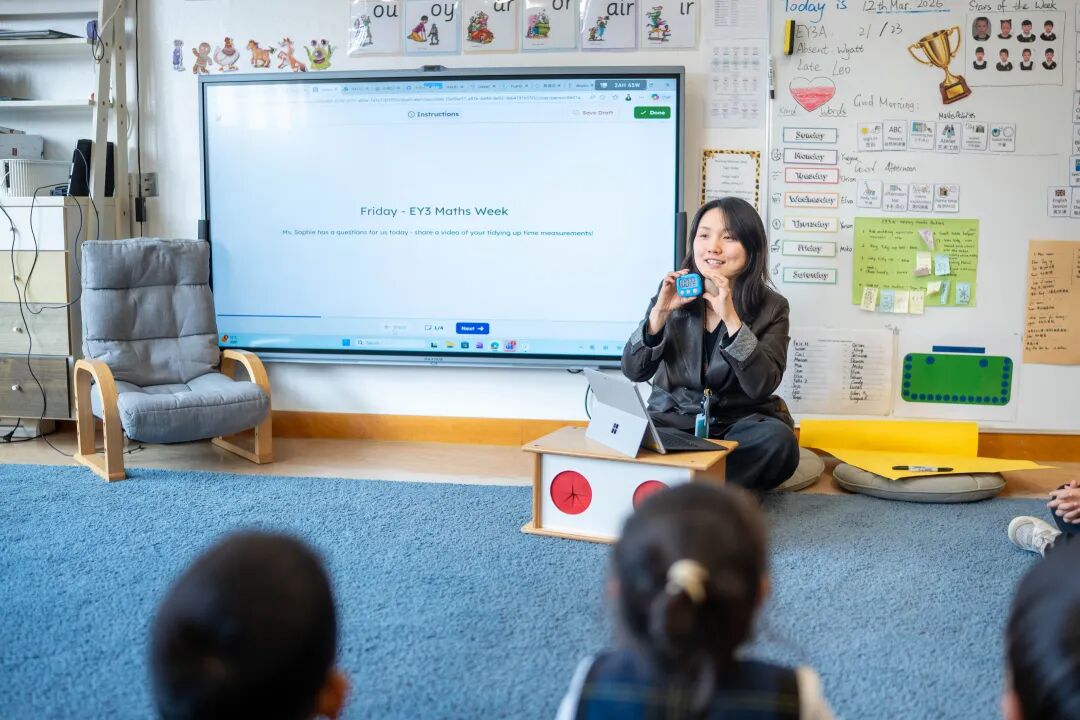
Friday's ultimate challenge focused upon time measurement. Children became "time managers", first predicting the time required to tidy their toys, then using timers for precise timing, comparing predictions with actual results. They not only learned about timers but also acquired mathematical methods to solve everyday problems, appreciating the practical value of mathematics.
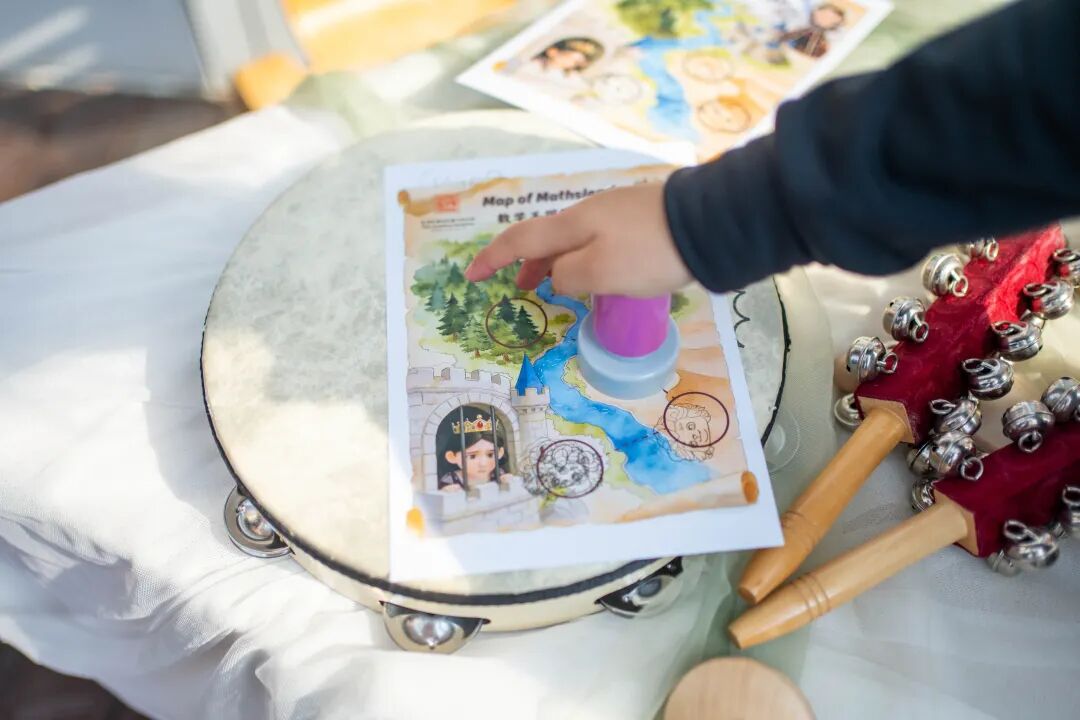
Ultimately, the children collected five mathematics stamps and successfully rescued the Mathematics Princess. The princess bestowed the precious "magic seed" upon each little explorer as a reward for their courage and wisdom.
Planting a Seed
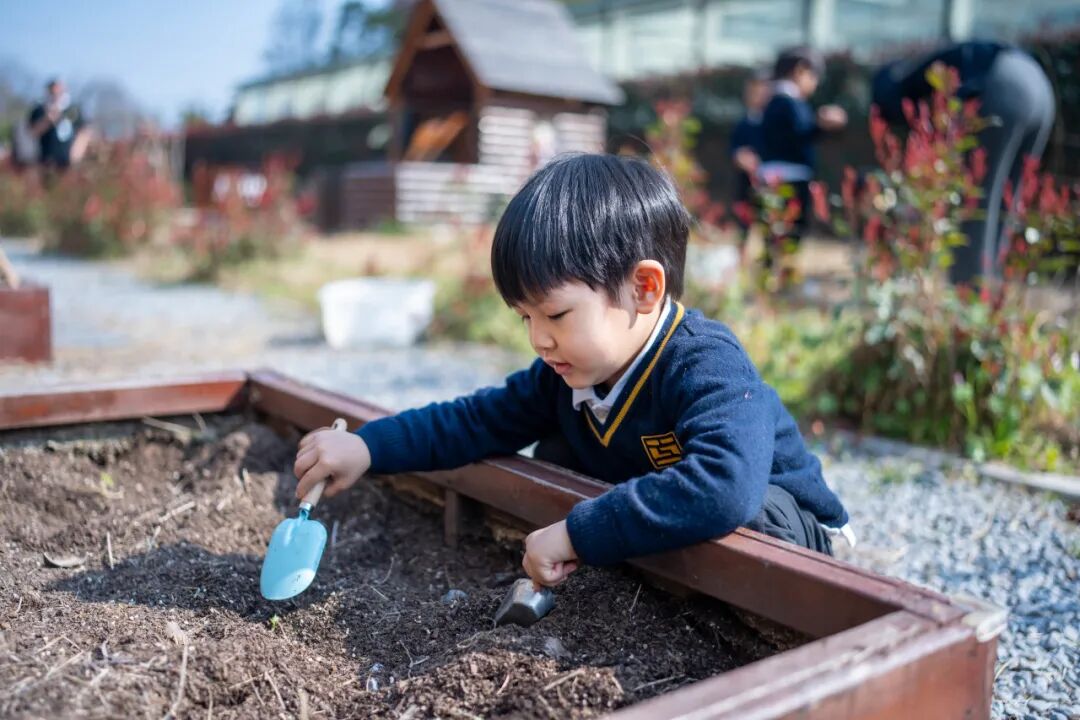
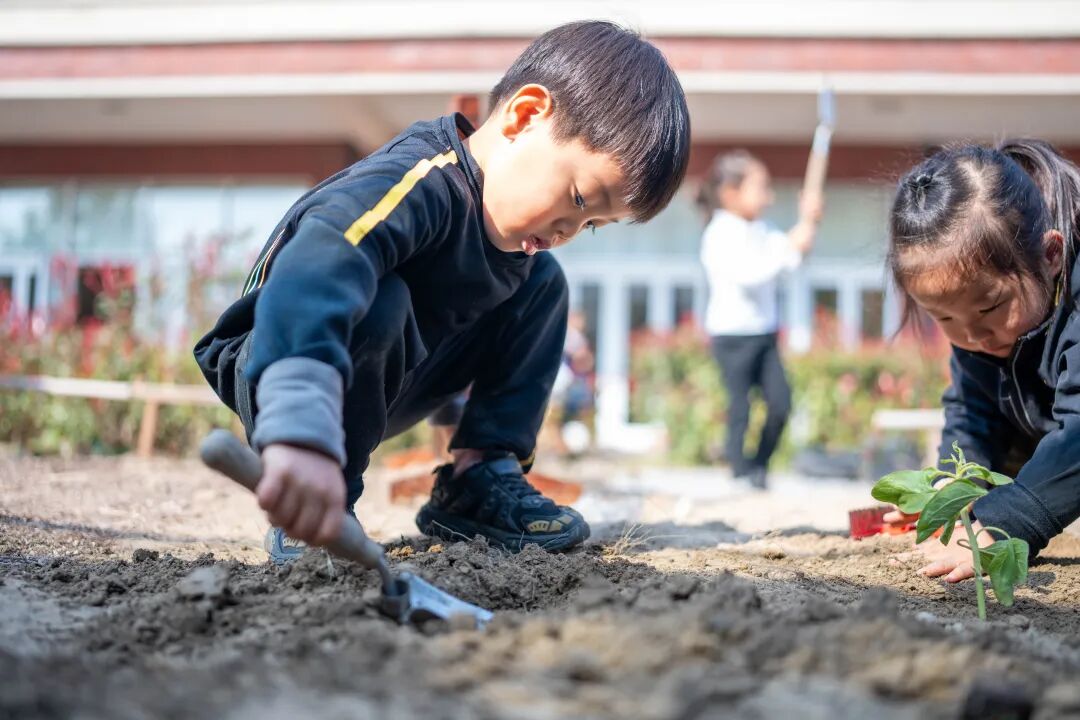
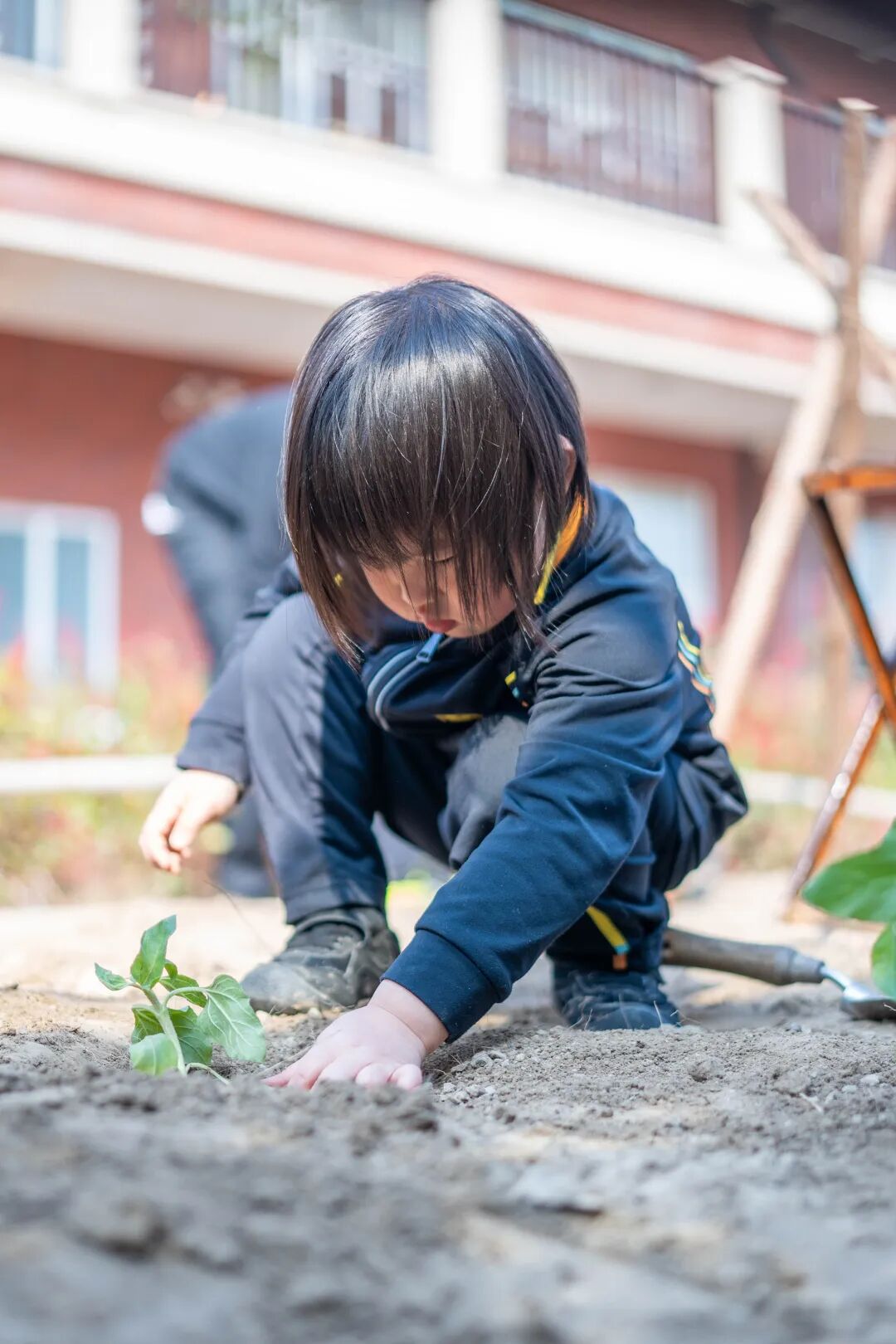
The story did not conclude with the mathematics week's finale. The seed was planted in soil, and children water it daily, using their newly acquired measurement skills to record the seedling's growth. They will witness firsthand: how a seed breaks through soil, how it grows symmetrical leaves, and how it develops according to its own rhythm.
And this represents our complete expectation for mathematics education—it is not knowledge to be instilled, but surprise to be discovered; it is not formulae with standard answers, but a unique approach to exploring the world.
The seed of thinking has already been planted; it will gradually germinate in children's hearts, and one day, it shall bloom into flowers unique to each child.













Tracy Li
Early Years Class Teacher/Mathematics Lead
HAHN
In a faraway mathematical kingdom, a "magic seed" capable of illuminating wisdom was carefully guarded by the Mathematics Princess. Unexpectedly, a Number Dragon suddenly launched an attack, abducting the princess and attempting to seize the seed. At this critical moment, the children from Huili Nursery transformed into brave little explorers, embarking upon a marvellous journey to rescue the princess. This imaginative adventure represents our week-long immersive mathematical themed activity.
This mathematics week utilised a story as its narrative thread, tailored to the cognitive characteristics of children across EY1-EY4 age groups. The teaching team meticulously designed five tiered challenges covering numbers, shapes, patterns, measurement, and everyday mathematics, enabling each child to unlock mathematical skills through appropriately challenging exploration.
Monday's number challenge proved a vibrant outdoor exploration. Combining numbers with physical education creativity, children threw giant dice and constructed models corresponding to the numbers rolled. From counting cognition to quantity matching, from individual operation to group collaboration, children comprehended the relationship between numbers and quantities through running, jumping, and building, allowing number sense to develop naturally through hands-on practice.
Tuesday's shape journey transformed children into "shape detectives". Merging shapes with art, children ventured beyond the classroom, seeking 2D and 3D shapes hidden in nature's corners: circular fallen leaves, square paving tiles, triangular building blocks. Carrying their discovered inspiration, they freely combined shape cards to create pictures, enhancing shape recognition and spatial composition abilities through observation and creation.
Wednesday's pattern challenge concealed mathematics within rhythm and melody. Teachers designed engaging rhythm charts, and children followed nursery rhyme melodies, playing instruments according to chart patterns. When the "AAB" rhythm sounded, children not only experienced musical joy but also subconsciously established preliminary algebraic thinking, learning to discover and apply patterns.
Thursday's measurement exploration presented a "milk tea workshop" practice. Combining measurement with language expression, children transformed into pastry chefs, using measuring cups and spoons to blend "milk tea", perceiving capacity through scooping and pouring, and understanding the significance of non-standard measurement. They also needed to describe the production process verbally, integrating mathematical operations with logical expression.
Friday's ultimate challenge focused upon time measurement. Children became "time managers", first predicting the time required to tidy their toys, then using timers for precise timing, comparing predictions with actual results. They not only learned about timers but also acquired mathematical methods to solve everyday problems, appreciating the practical value of mathematics.
Ultimately, the children collected five mathematics stamps and successfully rescued the Mathematics Princess. The princess bestowed the precious "magic seed" upon each little explorer as a reward for their courage and wisdom.
Planting a Seed
The story did not conclude with the mathematics week's finale. The seed was planted in soil, and children water it daily, using their newly acquired measurement skills to record the seedling's growth. They will witness firsthand: how a seed breaks through soil, how it grows symmetrical leaves, and how it develops according to its own rhythm.
And this represents our complete expectation for mathematics education—it is not knowledge to be instilled, but surprise to be discovered; it is not formulae with standard answers, but a unique approach to exploring the world.
The seed of thinking has already been planted; it will gradually germinate in children's hearts, and one day, it shall bloom into flowers unique to each child.